visarunway.app
Visarunway
Fast-growing visa agency scaling with technology
0→2K
monthly applications in year one
60%
reduction in support inquiries
48h
from kickoff to first live application
Price too low and you bleed margin; price too high without trust and you lose the sale. Here's how visa agencies structure pricing that's both profitable and transparent.
Visa pricing has a standard structure, and understanding it is the foundation of any pricing strategy: government/embassy fee + your service fee + optional add-ons. The government fee is fixed and passes straight through — you don't profit on it. Your margin lives entirely in the service fee and add-ons.
This matters because it shapes how you talk about price. Quoting a single blended number invites "why is it so expensive?" because clients can look up the embassy fee themselves. Breaking it out — embassy fee £95, service fee £75, express processing £30 — makes your actual charge transparent and defensible.
Get the structure right first. Then the strategic questions become: how high can the service fee go, which add-ons to offer, and how to vary pricing across visa types and markets.
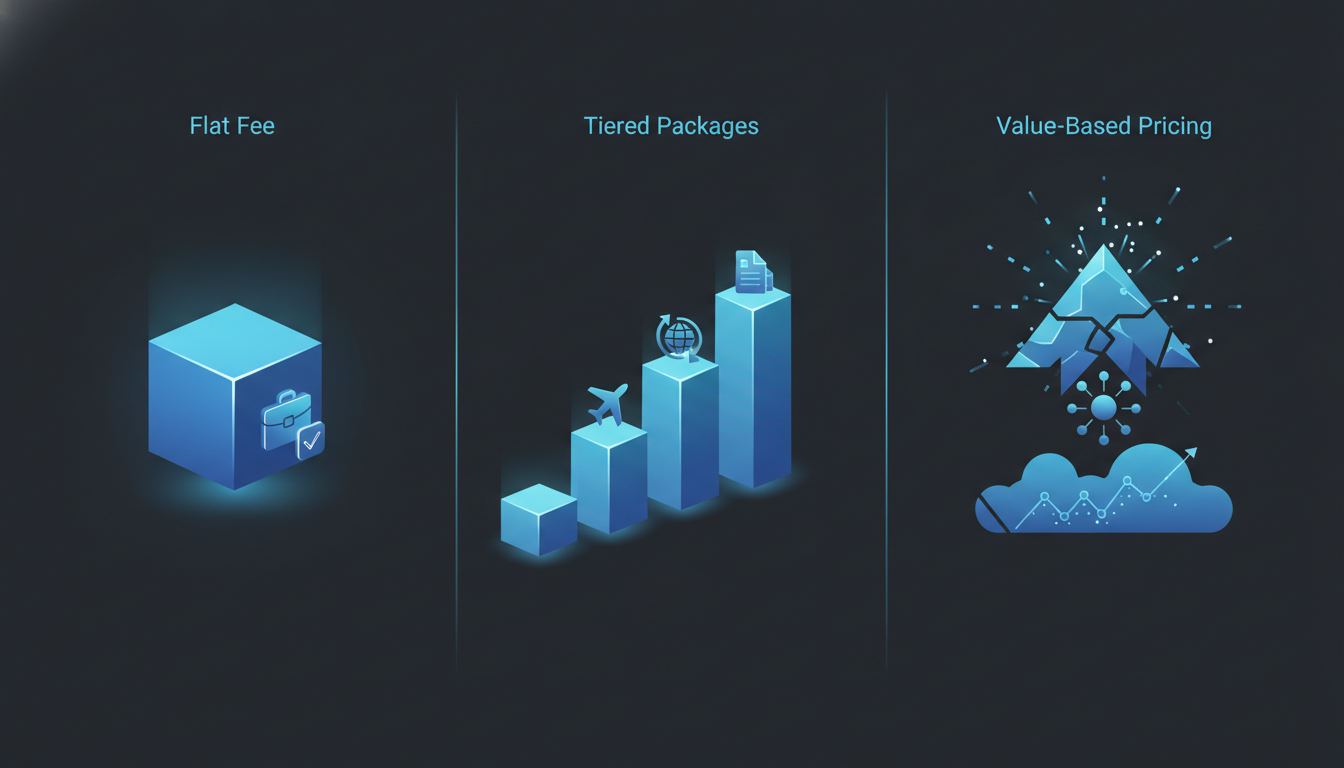
There are three common ways to set the service fee, and most agencies blend them:
Flat fee per visa type — Simple and predictable. A Schengen tourist visa is £75, a UK work visa is £250. Easy for clients to understand and for you to quote. Best for high-volume, standardised visa types.
Tiered packages — Standard, Priority, and Premium tiers bundling different service levels (processing speed, review depth, support channels). This lets price-sensitive clients buy in while capturing more from those who'll pay for reassurance and speed.
Value-based pricing — For high-stakes visas (golden visas, complex work permits), the service fee reflects the value and risk involved, not just the hours. A golden visa application commands a far higher fee than a tourist visa, and rightly so.
The biggest mistake new agencies make is pricing purely on cost or undercutting competitors. Visa applicants are buying confidence and a smooth process — not the cheapest possible transaction. Competing on price alone is a race to the bottom in a field where trust drives the decision.
Book a quick demo and see how it works for your visa types.
Well-designed add-ons do something rare: they raise your average order value while genuinely improving the client experience. The best ones address real anxieties in the visa process:
- Express/priority processing — for clients with tight travel dates - SMS/WhatsApp status updates — for the anxious applicant who wants real-time visibility - Document review service — an expert check before submission - Appointment booking assistance — handling the often-frustrating biometrics slot hunt - Insurance or supporting services — where relevant to the destination
The key is that add-ons should be genuinely optional and clearly priced — not hidden fees that surface at checkout. Hidden fees are the single most common complaint about the visa industry, and they destroy the trust that drives referrals.
A single global price rarely fits a cross-border client base. The same service may need different pricing across markets — what's reasonable in GBP for a UK corporate client looks very different to an applicant paying in NGN or PKR.
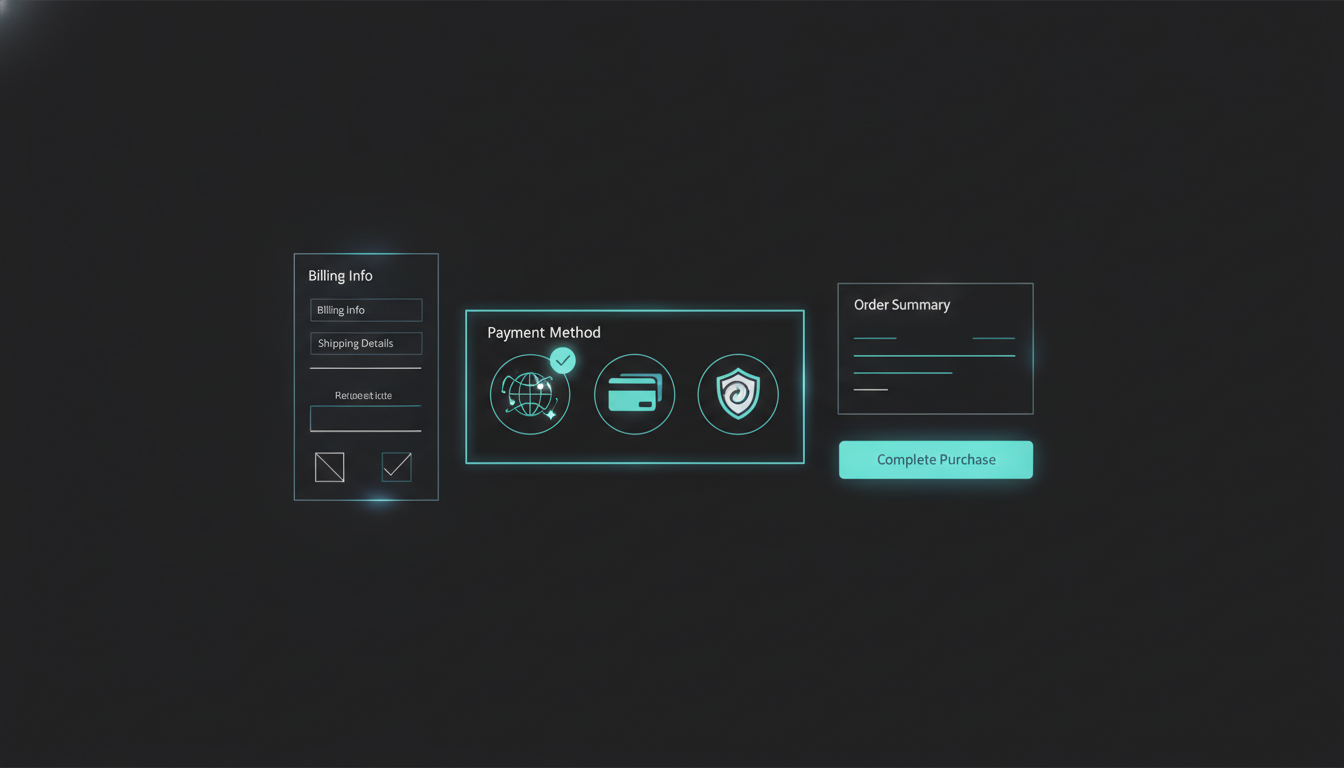
This is where a flexible pricing engine earns its keep. You want to set service fees per visa type, per destination, and per source market, display prices in the client's own currency, and run promotional discounts or coupons without rebuilding your pricing each time. Payment processing that handles multi-currency and the visa-specific fee model is what makes this practical rather than a spreadsheet nightmare.
Visarunway used exactly this flexibility during launch — running targeted promotions, then using analytics to identify which visa types carried the best margins and adjusting pricing accordingly. Within months they had a data-driven pricing strategy rather than guesswork.
Book a discovery call and see how VisaCRM can automate your workflow.
Book a call →Pricing is not a one-time decision — it's something the best agencies revisit continuously based on real data. Track these signals:
- Conversion rate by visa type — a high rate may mean you're leaving money on the table; a low rate may mean price or trust is the barrier - Margin per visa type — which products actually make money after costs and support load - Add-on attach rate — how often clients buy each add-on, which reveals what they value - Discount impact — whether promotions drive enough volume to justify the margin given up
Start with competitive introductory pricing to build volume and reviews, then adjust upward as your reputation grows. The agencies that win don't find a perfect price once — they treat pricing as a living lever, tuned with data.
Want a pricing engine that supports per-visa-type fees, multi-currency, add-ons, and coupons out of the box? Book a demo and we'll set it up around your services.
Use the standard structure: government/embassy fee (passed through at cost) plus your service fee plus optional add-ons. Your margin lives in the service fee and add-ons. Break the price out transparently rather than quoting one blended number, so clients can see your actual charge is fair and defensible.
Most agencies blend three models: a flat fee per visa type for high-volume standardized work, tiered packages (Standard/Priority/Premium) to capture more from clients who'll pay for speed and reassurance, and value-based pricing for high-stakes visas like golden visas. Avoid competing purely on price — visa clients buy confidence, not the cheapest option.
Yes. Well-designed add-ons raise average order value while improving the client experience — express processing, SMS/WhatsApp updates, document review, and appointment assistance address real anxieties. The key is keeping them genuinely optional and clearly priced, never hidden fees that surface at checkout, since hidden fees are the industry's most common complaint.
A single global price rarely fits a cross-border client base. Use a flexible pricing engine to set service fees per visa type, destination, and source market, display prices in the client's own currency, and run promotions or coupons. Then use analytics to identify which visa types carry the best margins and adjust accordingly.
Bu yazıdaki örüntüler şu platformlarda çoktan yayında. Farklı markalar, farklı vize tipleri — altında tek bir motor.
Modern bir vize işletmesini yürütmenin derinine inen pratik rehberler.