
visarunway.app
Visarunway
Teknolojiyle ölçeklenen, hızla büyüyen vize acentesi
0→2K
ilk yılda aylık başvuru
60%
destek talebinde azalma
48h
başlangıçtan ilk canlı başvuruya
 Cansu Demirel · Kurucu Ortak
Vize danışmanlığı işine başlarken bilmeniz gereken her şey — lisanslama ve niş seçiminden teknolojiye, fiyatlandırmaya ve ilk müşterileri bulmaya kadar.

Uluslararası seyahat toparlanmaya devam ettikçe ve göçmenlik yolları karmaşıklaştıkça küresel vize hizmetleri pazarı büyümesini sürdürüyor. Vize başvurularında profesyonel desteğe ihtiyaç duyan insan sayısı hiç olmadığı kadar yüksek — buna karşılık mevcut oyuncuların çoğu hâlâ Excel tabloları ve e-posta ile çalışıyor.
Pazara girmek için 2026'yı cazip kılan tam olarak bu. Talep var, ama modern ve teknolojiye dayalı vize acentelerinin arzı hâlâ dikkat çekici biçimde düşük. Yerleşik oyunculardan daha hızlı ve daha şeffaf bir deneyim sunabiliyorsanız gerçek bir rekabet avantajınız var demektir.
Giriş bariyeri de ciddi biçimde düştü. Profesyonel bir operasyon yürütmek için artık kalabalık bir ekibe, fiziksel ofise ya da sıfırdan yazılım geliştirmeye ihtiyacınız yok. Doğru teknoloji platformuyla tek bir kişi tamamen markalı bir vize acentesi kurabilir ve günler içinde başvuru işlemeye başlayabilir.
Yeni vize acentelerinin yaptığı en büyük hata herkese hizmet vermeye çalışmaktır. Bunun yerine odaklı bir nişle başlayın — belirli bir vize tipi (Schengen turistik vizeleri, İngiltere çalışma vizeleri, öğrenci vizeleri), belirli bir kaynak pazar (Nijerya, Türkiye veya Hindistan'dan başvuranlar) ya da belirli bir müşteri segmenti (kurumsal seyahat, aileler, öğrenciler) olabilir.
Odaklı bir niş; derin uzmanlık geliştirmenizi, hedefli pazarlama yapmanızı ve belirli konsolosluklarla ilişki kurmanızı sağlar. Fiyatlandırma stratejinizi de basitleştirir — onlarca vize tipinde kâr marjı hesaplamaya çalışmak yerine az sayıda vize tipi için fiyatı optimize edersiniz.
İşiniz büyüdükçe komşu vize tiplerine ve pazarlara açılabilirsiniz. Visarunway 25 vize tipiyle başladı ve oradan genişledi; hangi yeni pazarlara girmeye değdiğini belirlemek için analitik panosundaki verileri kullandı.
Kısa bir demo planlayın ve sizin vize tiplerinizde nasıl çalıştığını görün.
Ne kadar ölçekleneceğinizi ve bunu ne hızda yapacağınızı teknoloji altyapınız belirler. Esasen üç yol var:
Excel tabloları ve e-posta — En düşük maliyetli seçenek, ama hızla tıkanıyor. Başvuruları sekmeler arasında takip etmek, evrak yüklemelerini e-postayla kovalamak ve ödemeleri elle mutabakatlamak haftada birkaç başvurunun ötesine ölçeklenmiyor. Bu yolu düşünüyorsanız Excel tablolarından CRM'e ne zaman geçilmeli rehberimizi okuyun.
Genel amaçlı CRM yazılımları — HubSpot veya Zoho gibi araçlar vize işine uyarlanabilir, ama bunun için tasarlanmadılar. Vize başvuru yaşam döngüsüne yine de tam oturmayan özel iş akışları kurmakla vakit harcarsınız.
Amaca özel vize CRM'i — VisaCRM gibi platformlar doğrudan vize sektörü için tasarlanmıştır. Başvuru formları her vize tipine göre değişir, ödeme altyapısı içinde gelir, müşteri iletişimi otomatikleşir ve yönetim paneli vize iş akışının etrafında kurgulanır. İlk günden yerleşik bir acente gibi görünmenizi ve çalışmanızı sağlayan yaklaşım budur.

Fiyatlandırma en kritik erken kararlardan biridir; yanlış kurgulamak ya müşteri bulmakta zorlanmak ya da masada para bırakmak demektir. Vize sektöründeki standart fiyatlandırma modeli şudur: devlet harcı + hizmet bedeli + opsiyonel ek hizmetler (ekspres işlem, SMS bildirimleri vb.).
Yeni bir acente olarak, hacim ve değerlendirme toplamak için rekabetçi bir tanıtım fiyatıyla başlamayı, itibarınız yerleştikçe fiyatı kademeli olarak güncellemeyi düşünün. Kuponları, promosyon indirimlerini ve vize tipine göre fiyatlandırmayı destekleyen esnek bir fiyatlandırma motoru size deneme alanı verir.
Visarunway tam olarak bu yaklaşımı kullandı — lansman döneminde hedefli kampanyalar yürüttü ve hangi vize tiplerinin en iyi marjı verdiğini analitikle belirledi. Birkaç ay içinde gerçek verilere dayanan bir fiyatlandırma stratejisini oturtmuşlardı.
İlk 50 müşteriniz büyük olasılıkla şu kaynakların birleşiminden gelecek:
Arama motoru trafiği — Vize hizmeti arayan kişiler yüksek niyetlidir. Net vize tipi sayfaları, şeffaf fiyatlandırma ve kolay bir başvuru akışıyla iyi kurgulanmış bir web sitesi, ziyaretçileri şaşırtıcı derecede yüksek oranda dönüştürür.
Yönlendirmeler ve kulaktan kulağa — Vize başvuranları birbiriyle konuşur. Sorunsuz ve şeffaf bir süreç doğal olarak yönlendirme üretir. Kupon sisteminiz üzerinden yönlendirme indirimi sunmayı değerlendirin.
Seyahat acentesi iş ortaklıkları — Birçok seyahat acentesi vize işini kendisi yapmaz ama müşterilerinin vizeye ihtiyacı vardır. Seyahat acenteleri için beyaz etiketli bir vize işlem ortağı olarak konumlanmak istikrarlı bir başvuru akışı sağlayabilir.
İşin püf noktası ilk dönemde her bir müşteriye kusursuz bir deneyim sunmaktır. Hız, şeffaflık ve proaktif iletişim, ilk kez gelen müşterileri tekrar eden müşterilere ve yönlendirme kaynağına dönüştürür.
İhtiyacınızı anlatın, size bir planla dönelim. Teslim edilene kadar hiçbir ödeme yok.
Hemen başlayın →En hızlı büyüyen acenteler otomasyona erken yatırım yapanlardır. Manuel işlere harcadığınız her saat — sistemler arasında veri kopyalamak, durum güncelleme e-postaları göndermek, eksik evrak kovalamak — büyümeye ayırabileceğiniz bir saattir.
İlk günden durum değişiklikleri, ödeme onayları ve evrak talepleri için otomatik e-posta ve WhatsApp bildirimleri kurun. Başvuranların size ulaşmadan kendi durumlarını görebilmesi için bir müşteri self servis portalı kullanın. Metriklerinizi takip edin — başvuru hacmi, dönüşüm oranları, işlem süreleri, vize tipi başına gelir — ki nereye yatırım yapacağınıza bilerek karar verebilesiniz.
Visarunway'in ilk yılında sıfırdan aylık 2.000 başvuruya nasıl ulaştığını okuyun — daha en baştan doğru teknoloji kararlarını vererek.
Vize işinizi başlatmaya hazır mısınız? Ekibimizle bir görüşme ayarlayın, kurulumunuzu birlikte yapalım.
Yalın bir yapı kurarsanız vize danışmanlığı işine birkaç bin dolarla ya da daha azıyla başlayabilirsiniz. Amaca özel bir platform kullandığınızda ofis, kalabalık ekip ve özel yazılım geliştirme maliyetlerinden kurtulursunuz — temel kalemler şirket kuruluşu, gerekiyorsa lisans veya teminat, bir de teknoloji aboneliğinizdir. Pazarlama ve profesyonel bir web sitesi de ilk dönemin diğer yatırımlarıdır.
Bulunduğunuz ülkeye göre değişir. Bazı ülkeler ve ABD eyaletleri göçmenlik alanında destek verebilmek için kayıt, adli sicil kontrolü veya kefalet teminatı şartı arıyor; birkaçı ise avukat olmayan göçmenlik danışmanlarını tamamen yasaklıyor. Faaliyete geçmeden önce çalıştığınız yerdeki kuralları mutlaka kontrol edin; yetkiniz olmadan düzenlemeye tabi göçmenlik tavsiyesi vermek yasa dışı olabilir.
Vize acenteleri, devlet/konsolosluk harcının üzerine eklenen bir hizmet bedeliyle ve ekspres işlem, SMS bildirimi veya evrak incelemesi gibi opsiyonel ek hizmetlerle kazanır. Devlet harcı maliyetine yansıtılır; kârınız hizmet bedelinde ve ek hizmetlerde oluşur. Birçok acente ayrıca B2B iş ortaklarından ve yönlendirmelerden komisyon elde eder.
Profesyonel bir başlangıç için en hızlı yol amaca özel bir vize CRM'idir. Ölçeklenemeyen Excel tablolarının ya da vize iş akışları için tasarlanmamış HubSpot veya Zoho gibi genel amaçlı CRM'lerin aksine bir vize CRM'i; başvuru formlarını, evrak takibini, ödemeleri ve müşteri iletişimini vize yaşam döngüsünün etrafına kurar ve tek kişinin köklü bir acente gibi çalışmasını sağlar.
İlk müşteriler tipik olarak arama trafiğinden (vize hizmeti arayan kişiler yüksek niyetlidir), sorunsuz ve şeffaf bir sürecin doğal olarak getirdiği yönlendirmelerden ve müşterilerinin vizeye ihtiyacı olan ama bu işi kendisi yapmayan seyahat acenteleriyle kurulan iş ortaklıklarından gelir. Fiyatları açıkça gösteren ve başvuru akışı kolay olan net bir web sitesi, yüksek niyetli ziyaretçileri iyi dönüştürür.
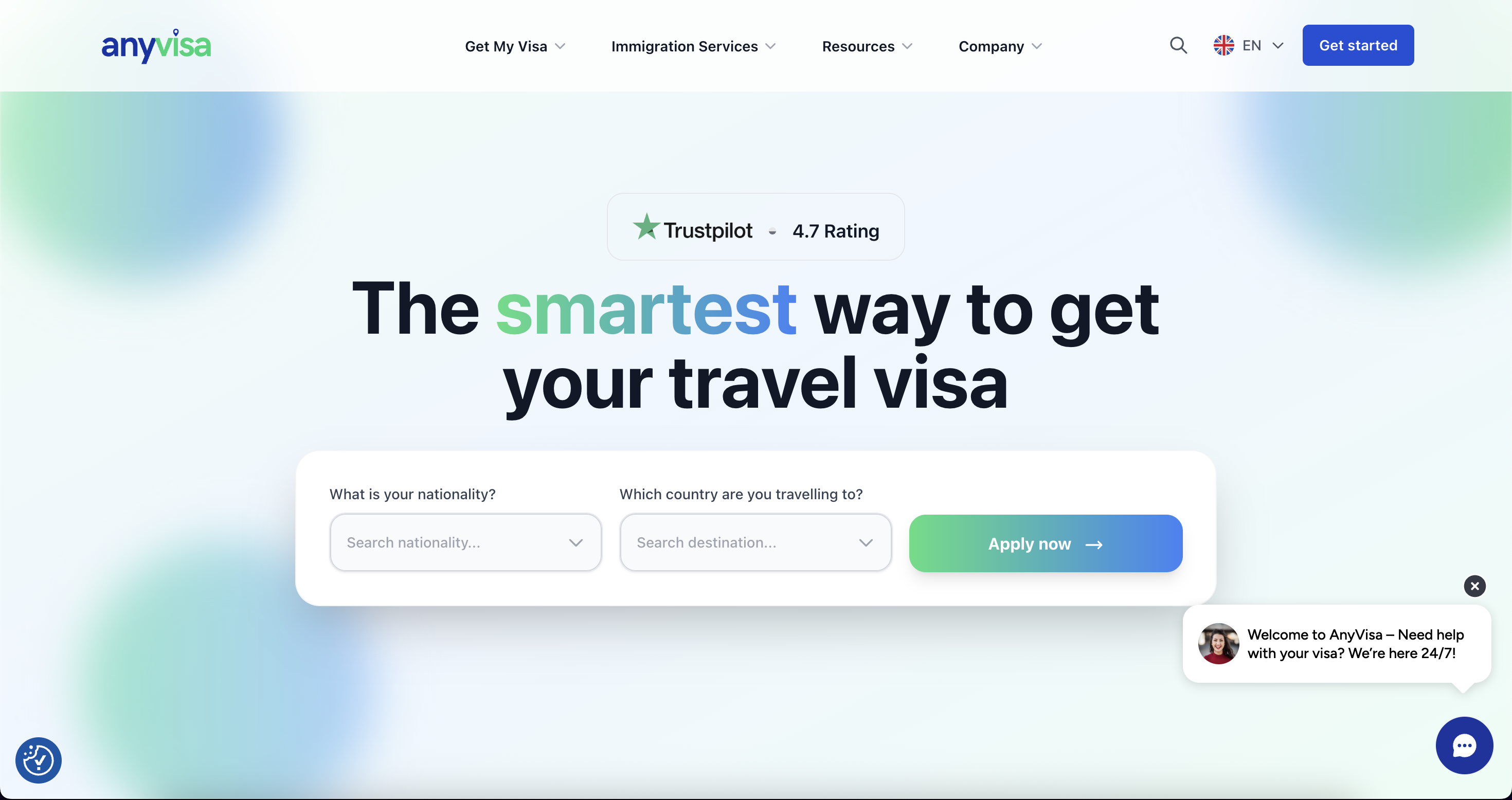
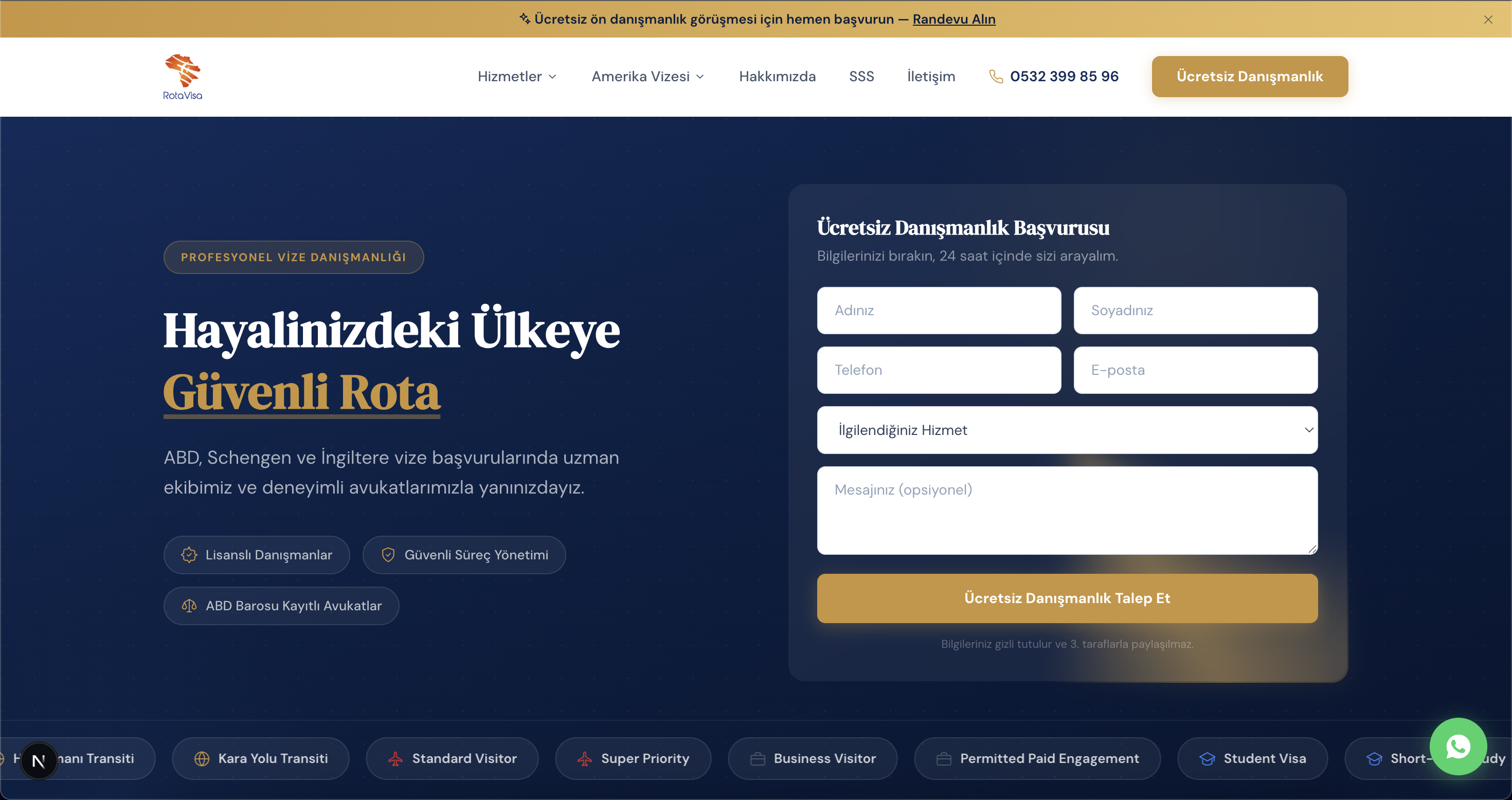
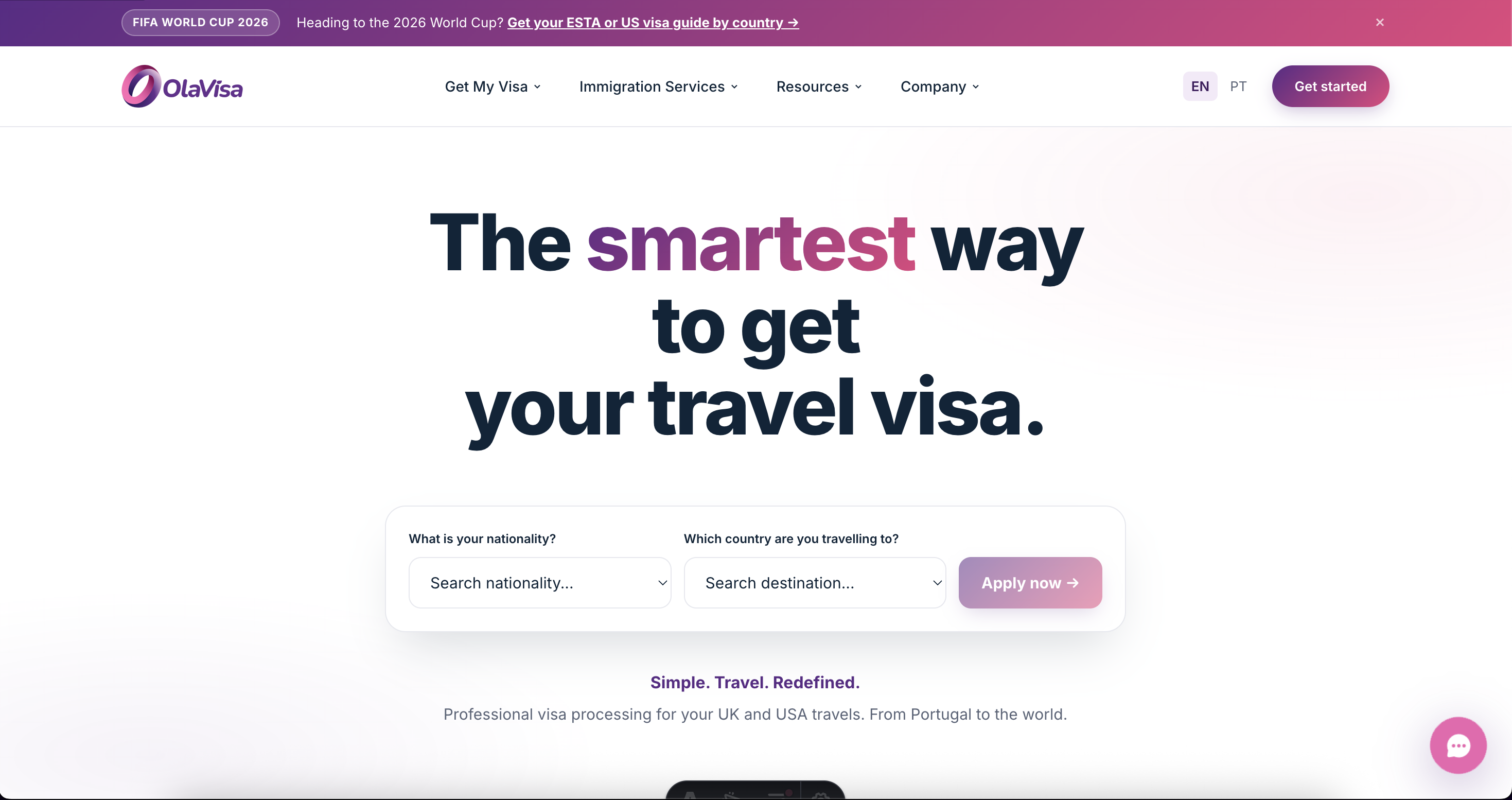
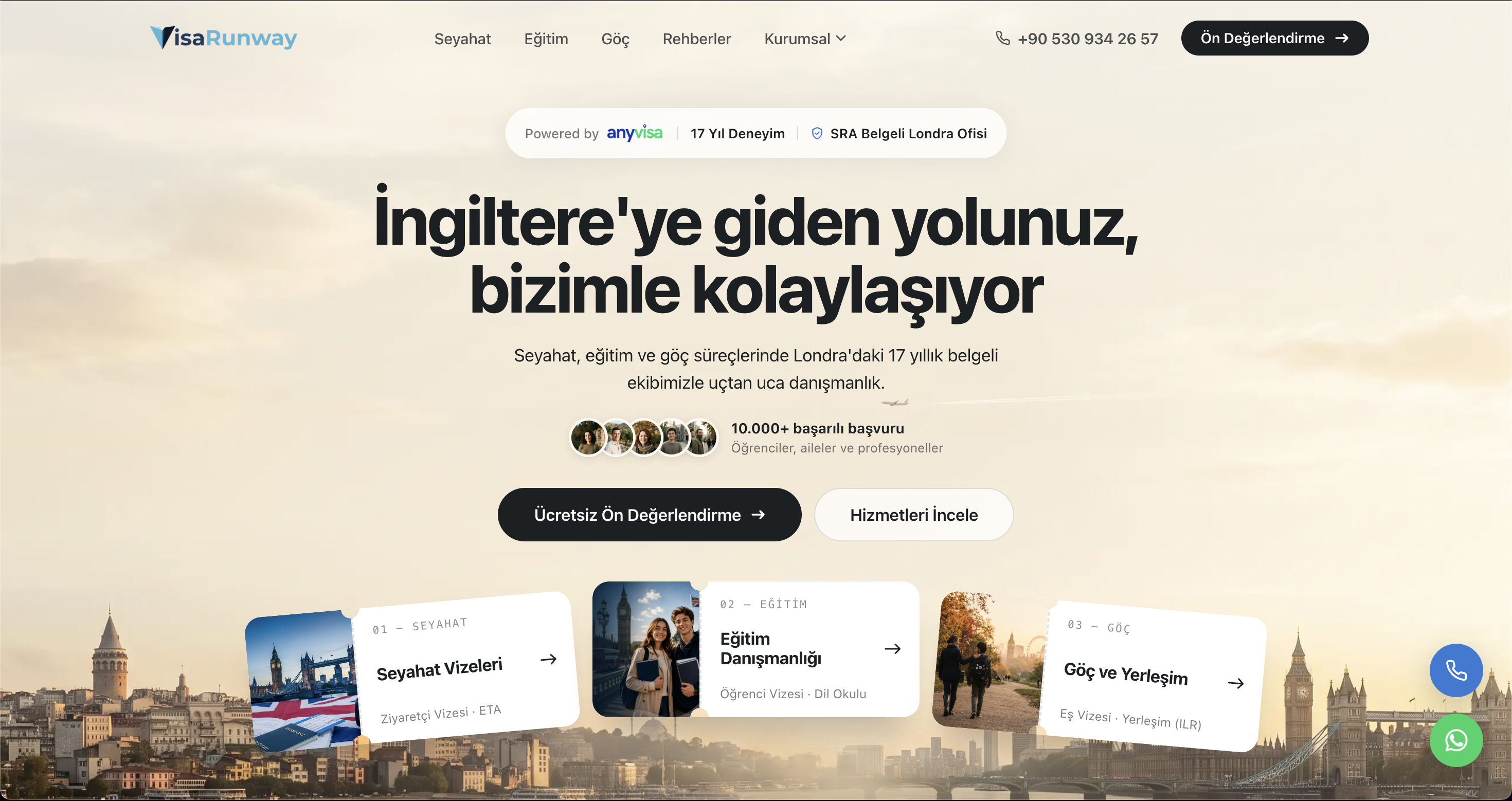
Bu yazıdaki örüntüler şu platformlarda çoktan yayında. Farklı markalar, farklı vize tipleri — altında tek bir motor.
Modern bir vize işletmesini yürütmenin derinine inen pratik rehberler.