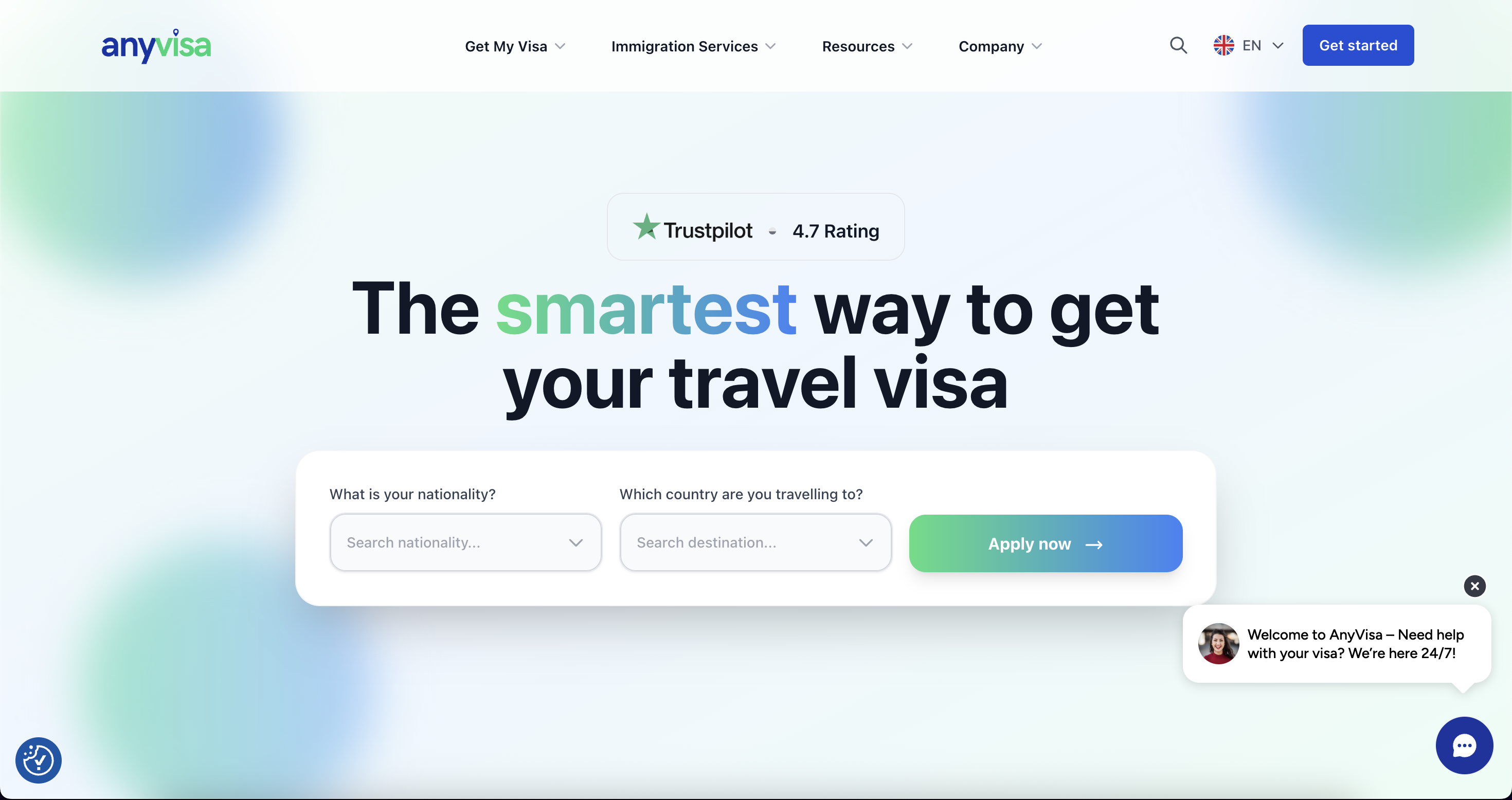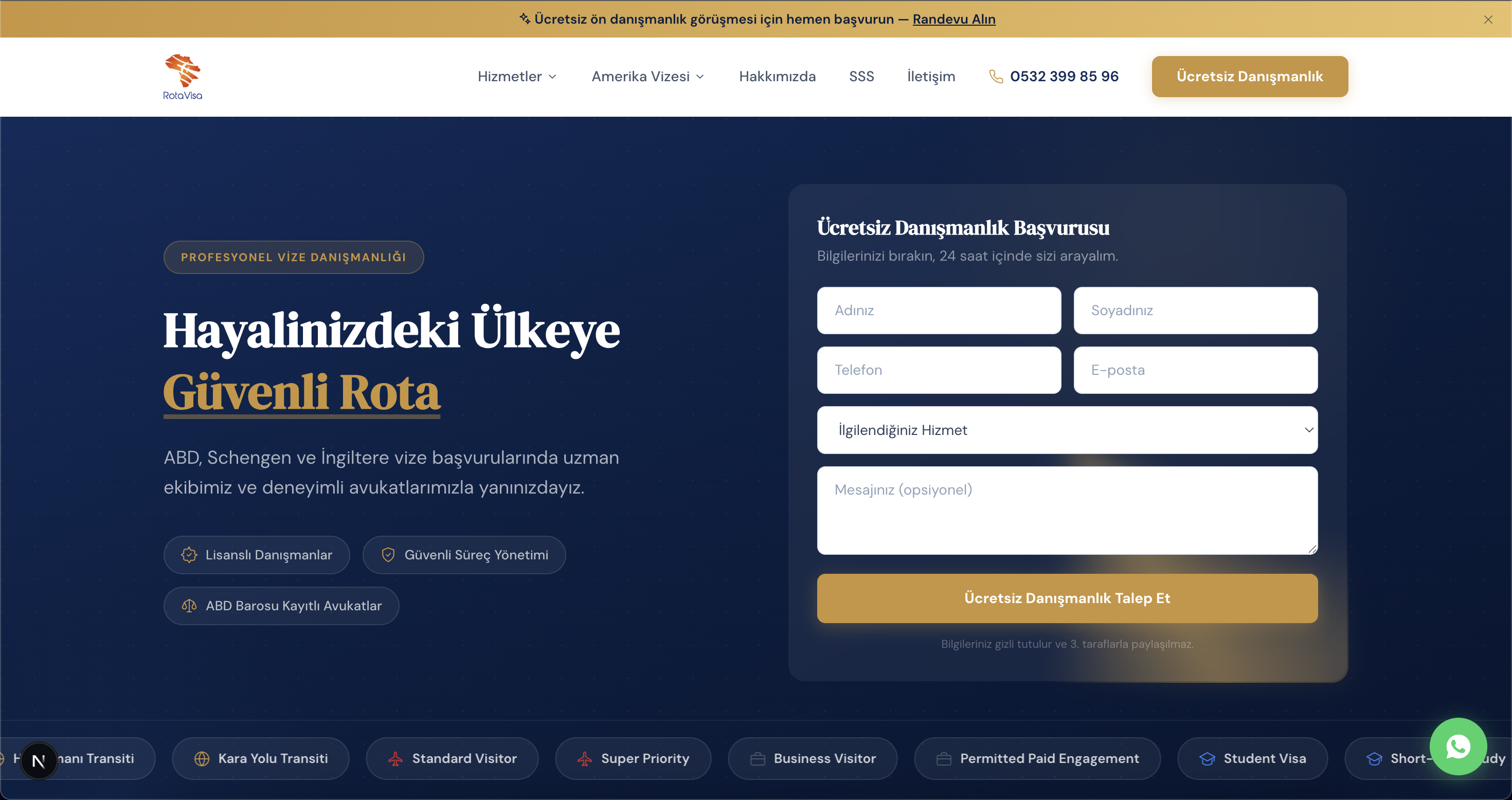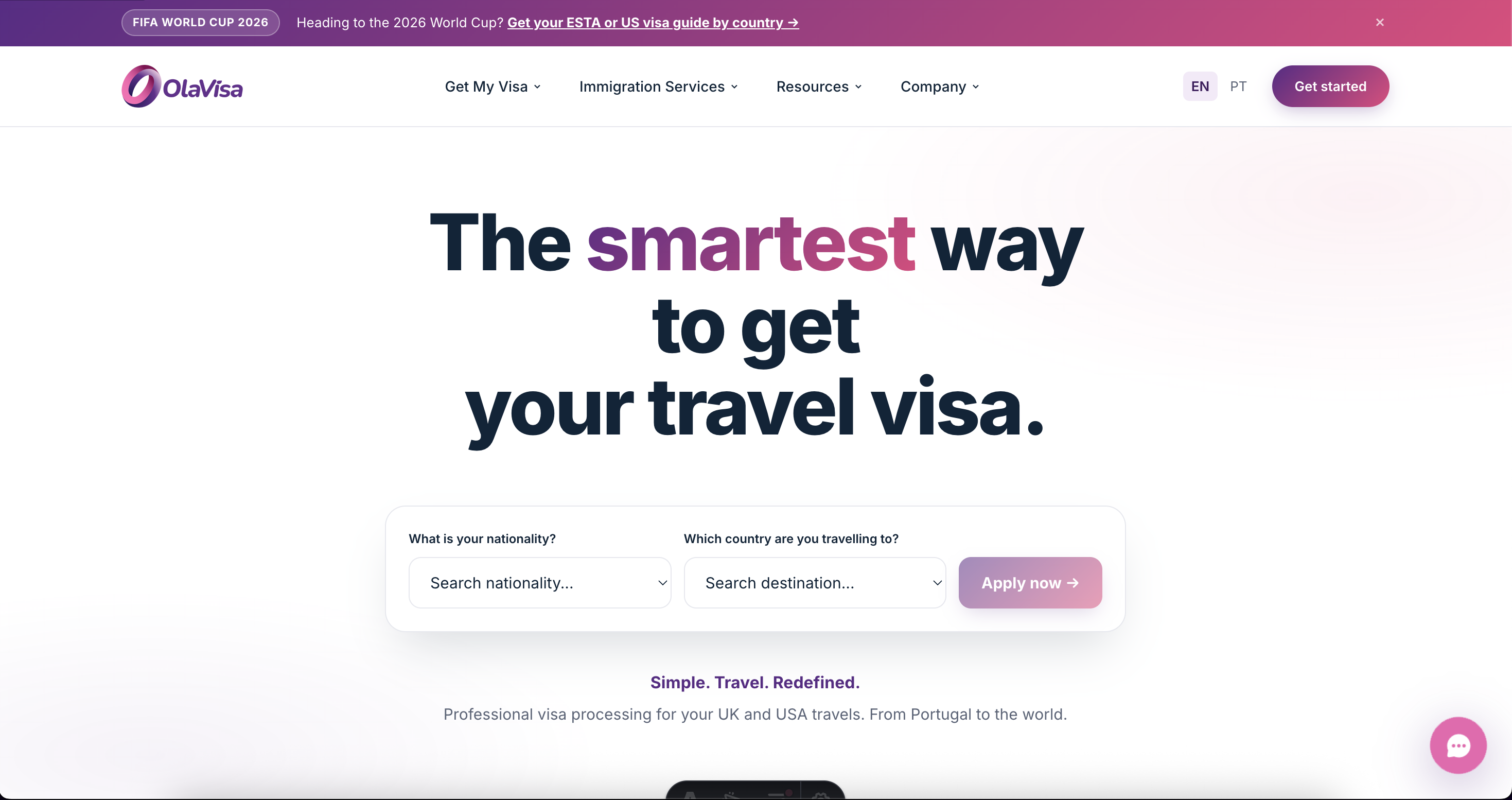

visarunway.app
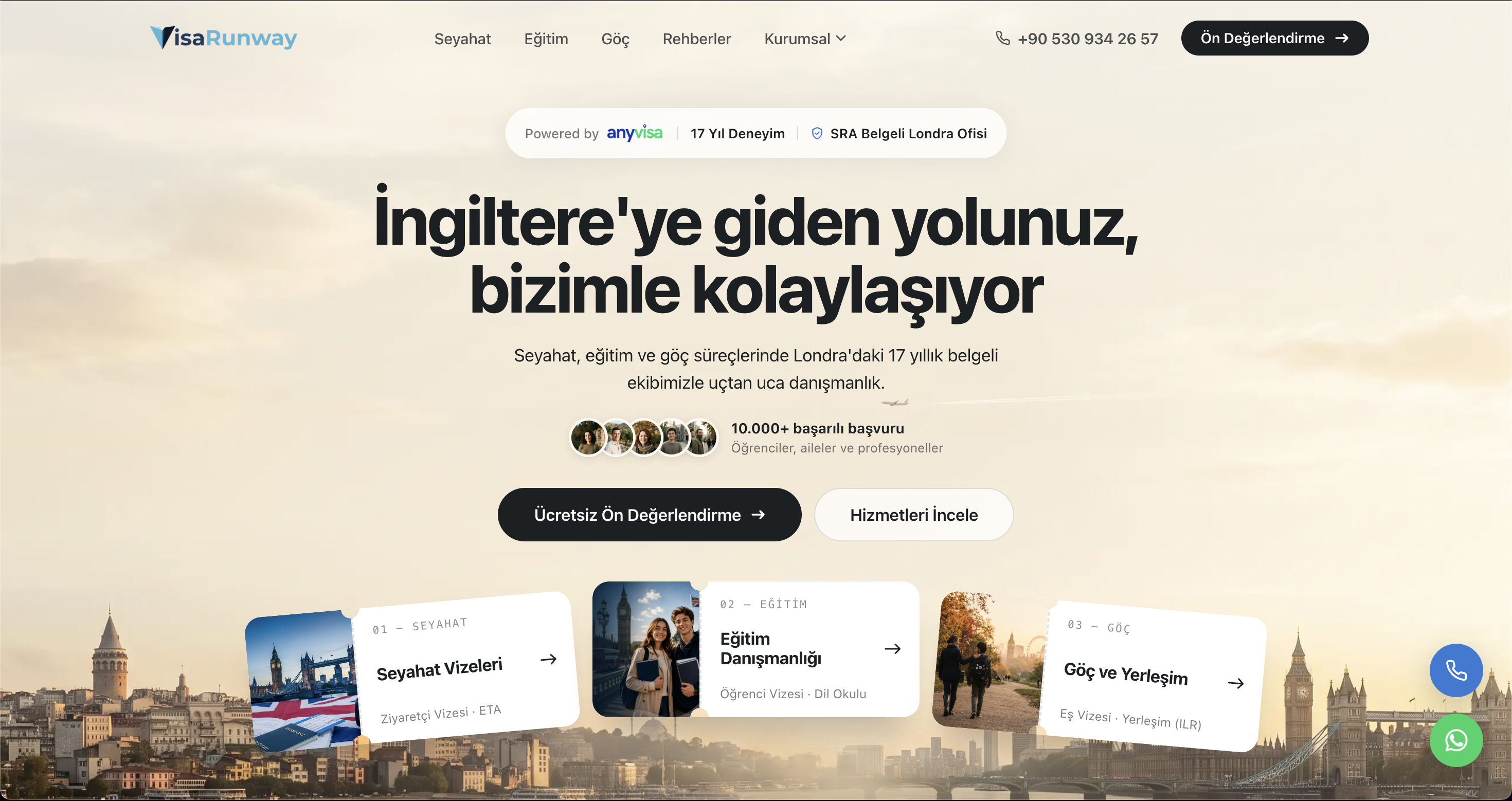
Visarunway
Fast-growing visa agency scaling with technology
0→2K
monthly applications in year one
60%
reduction in support inquiries
48h
from kickoff to first live application
 Cansu Demirel · Co-founder
Everything you need to know about launching a visa consulting business — from licensing and niche selection to technology, pricing, and getting your first clients.

The global visa services market continues to grow as international travel rebounds and immigration pathways become more complex. More people than ever need professional help navigating visa applications — and most of the existing players are still running on spreadsheets and email.
This is exactly what makes 2026 a compelling time to enter the market. The demand is there, but the supply of modern, technology-driven visa agencies is still remarkably low. If you can offer a faster, more transparent experience than the established players, you have a genuine competitive advantage.
The barrier to entry has also dropped significantly. You no longer need a large team, physical office space, or custom-built software to run a professional operation. With the right technology platform, a single person can launch a fully branded visa agency and start processing applications within days.
The biggest mistake new visa agencies make is trying to serve everyone. Instead, start with a focused niche — whether that's a specific visa type (Schengen tourist visas, UK work visas, student visas), a source market (applicants from Nigeria, Turkey, or India), or a client segment (corporate travel, families, students).
A focused niche lets you build deep expertise, create targeted marketing, and develop relationships with specific embassies and consulates. It also makes your pricing strategy simpler — you can optimise pricing for a small number of visa types rather than trying to figure out margins across dozens.
As your business grows, you can expand into adjacent visa types and markets. Visarunway started with 25 visa types and expanded from there, using data from their analytics dashboard to identify which new markets were worth entering.
Book a quick demo and see how it works for your visa types.
Your technology stack will determine how much you can scale and how quickly. There are essentially three paths:
Spreadsheets and email — The lowest cost option, but it breaks down quickly. Tracking applications across tabs, chasing document uploads via email, and reconciling payments manually doesn't scale past a handful of applications per week. If you're considering this route, read our guide on when to make the switch from spreadsheets to a CRM.
Generic CRM software — Tools like HubSpot or Zoho can be adapted for visa work, but they weren't designed for it. You'll spend time building custom workflows that still don't quite fit the visa application lifecycle.
Purpose-built visa CRM — Platforms like VisaCRM are designed specifically for the visa industry. Application forms adapt to each visa type, payment processing is built in, client communication is automated, and the admin dashboard is designed around the visa workflow. This is the approach that lets you look and operate like an established agency from day one.

Pricing is one of the most important early decisions, and getting it wrong can mean struggling for clients or leaving money on the table. The standard pricing model in the visa industry is: government fee + service fee + optional add-ons (express processing, SMS updates, etc.).
As a new agency, consider launching with competitive introductory pricing to build volume and reviews, then gradually adjusting as you establish your reputation. A flexible pricing engine that supports coupons, promotional discounts, and per-visa-type pricing gives you room to experiment.
Visarunway used exactly this approach — running targeted promotions during their launch phase and using analytics to identify which visa types had the best margins. Within months, they had dialled in a pricing strategy based on real data.
Your first 50 clients will likely come from a combination of sources:
Search engine traffic — People searching for visa services are high-intent. A well-structured website with clear visa type pages, transparent pricing, and an easy application process will convert visitors at a surprisingly high rate.
Referrals and word of mouth — Visa applicants talk to each other. A smooth, transparent process generates referrals naturally. Consider offering referral discounts through your coupon system.
Travel agency partnerships — Many travel agencies don't handle visas themselves but their clients need them. Positioning yourself as a white-label visa processing partner for travel agencies can provide a steady flow of applications.
The key is to deliver an excellent experience for every single client in the early days. Speed, transparency, and proactive communication turn first-time clients into repeat customers and referral sources.
Tell us what you need and we'll come back with a plan. Nothing to pay until it's delivered.
Get started →The agencies that grow fastest are the ones that invest in automation early. Every hour you spend on manual tasks — copying data between systems, sending status update emails, chasing missing documents — is an hour you could spend on growth.
From day one, set up automated email and WhatsApp notifications for status changes, payment confirmations, and document requests. Use a client self-service portal so applicants can check their own status without contacting you. Track your metrics — application volume, conversion rates, processing times, revenue per visa type — so you can make informed decisions about where to invest.
Read how Visarunway went from zero to 2,000 monthly applications in their first year by making smart technology decisions from the start.
Ready to launch your visa business? Book a call with our team and we'll help you get set up.
You can start a visa consulting business for a few thousand dollars or less if you keep it lean. With a purpose-built platform you avoid office space, large teams, and custom software — the main costs are business registration, any required licensing or bonding, and your technology subscription. Marketing and a professional website are the other early investments.
It depends on your jurisdiction. Some countries and US states require registration, a background check, or a surety bond to provide immigration assistance, and a few prohibit non-lawyer immigration consultants entirely. Always check the rules where you operate before launching, as giving regulated immigration advice without authorization can be illegal.
Visa agencies earn through a service fee charged on top of the government/embassy fee, plus optional add-ons like express processing, SMS updates, or document review. The government fee passes through at cost; your margin lives in the service fee and add-ons. Many agencies also earn commission from B2B partners and referrals.
A purpose-built visa CRM is the fastest way to launch professionally. Unlike spreadsheets (which don't scale) or generic CRMs like HubSpot or Zoho (which aren't designed for visa workflows), a visa CRM has application forms, document tracking, payments, and client communication built around the visa lifecycle, letting one person operate like an established agency.
Your first clients typically come from search traffic (people searching for visa services are high-intent), referrals from a smooth, transparent process, and partnerships with travel agencies who have clients needing visas but don't process them. A clear website with transparent pricing and an easy application flow converts high-intent visitors well.
The patterns in this article are already deployed across these platforms. Different brands, different visa types — one engine underneath.
Practical guides that go deeper on running a modern visa business.