
visarunway.app
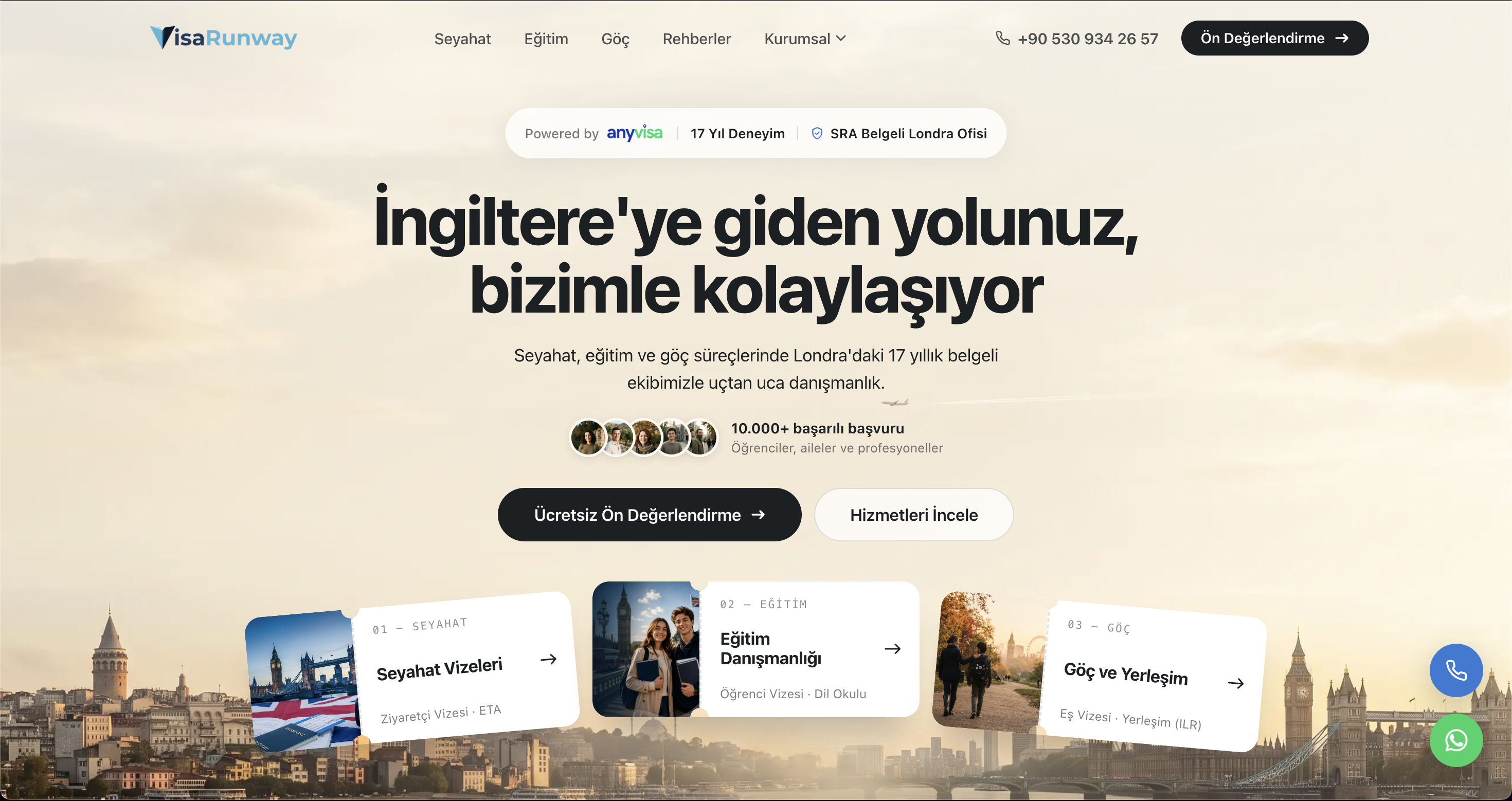
Visarunway
Fast-growing visa agency scaling with technology
0→2K
monthly applications in year one
60%
reduction in support inquiries
48h
from kickoff to first live application
 Cansu Demirel · Co-founder
Spreadsheets work — until they don't. Here's how to recognise the warning signs and understand what a purpose-built visa CRM actually changes.

Let's be honest — spreadsheets are fine when you're starting out. If you're processing five applications a week, a well-organised Google Sheet can track everything you need: applicant names, visa types, document status, payment amounts, and submission dates.
The problem isn't spreadsheets themselves. The problem is that spreadsheets don't scale, don't automate, and don't provide the kind of client experience that modern applicants expect. At some point, every growing visa agency hits the wall where spreadsheets start costing more time than they save.
You know it's time to switch when you recognise these patterns:
You're copy-pasting between systems. Client data lives in a spreadsheet, payment info lives in Stripe, documents live in email or Google Drive, and communication happens across email, WhatsApp, and phone. You're the glue holding it all together.
You've lost track of an application. If an application has ever slipped through the cracks — missed a deadline, sat in a stage too long, or simply been forgotten — your tracking system has failed.
Clients are frustrated. "What's my status?" If you're hearing this more than once per application, your communication process isn't working.
You can't report on your business. When someone asks "what's our approval rate for Schengen visas this quarter?" and the answer requires two hours of spreadsheet archaeology, you have a data problem.
You're afraid to go on holiday. If the business can't function without you because everything lives in your head and your spreadsheets, that's a sign of systemic fragility.
Book a quick demo and see how it works for your visa types.
The shift from spreadsheets to a purpose-built CRM isn't just about having a nicer interface. It fundamentally changes how work flows through your agency:
One system instead of five. Applications, documents, payments, communication, and reporting all live in one place. No more tab-switching, no more data reconciliation.
Automation replaces manual work. Status notifications, document reminders, payment receipts, and follow-up emails happen automatically based on triggers you define.
Clients serve themselves. A self-service portal lets clients check status, upload documents, and communicate — without calling or emailing you.
Data becomes decision-making fuel. Real-time dashboards show you application volume, revenue, processing times, and agent performance without manual reporting.
Visarunway chose to launch with a CRM from day one rather than starting with spreadsheets. Within their first year, they were processing 2,000 applications monthly — a scale that would have been impossible to reach, let alone manage, with manual tools.

The most common objection to switching is "we'll do it later, when we're bigger." But the cost of manual processes compounds over time:
The agencies that switch early avoid accumulating these costs entirely. The agencies that wait accumulate months or years of manual debt that they eventually have to unwind — while simultaneously running the business.
There's rarely a "right time" to make the switch. There is, however, a clear "too late" — and it's when manual processes are actively preventing growth.
Tell us what you need and we'll come back with a plan. Nothing to pay until it's delivered.
Get started →If you're ready to move beyond spreadsheets, the transition doesn't have to be painful. With a purpose-built platform, migration typically involves:
The agencies that have been through this transition consistently report that the actual switch takes days, not weeks — and the productivity gains are visible immediately.
Book a call with our team to discuss your specific situation and see how a migration would work for your agency.
Switch when you recognize the warning signs: copy-pasting between systems, losing track of applications, repeated "what's my status?" questions, difficulty reporting on your business, or fear that the agency can't run without you. Spreadsheets work at five applications a week but break down as volume and client expectations grow.
A visa CRM unifies applications, documents, payments, communication, and reporting in one system, automates status updates and reminders, gives clients a self-service portal, and provides real-time dashboards. Spreadsheets store data but can't automate work, validate documents, serve clients, or report without manual effort.
No — migration typically takes days, not weeks. It usually involves importing existing client data via CSV, configuring your visa types and pricing, connecting payment gateways, and a few hours of team training. Because purpose-built tools follow the workflow your team already uses, the productivity gains are visible immediately.
Manual processes compound: at 500 applications a month, status emails alone consume 15–25 hours, every document error risks a refusal and refund, and reporting eats hours you could spend growing. The cost is hidden in staff time, lost applications, and capped capacity rather than a visible invoice.
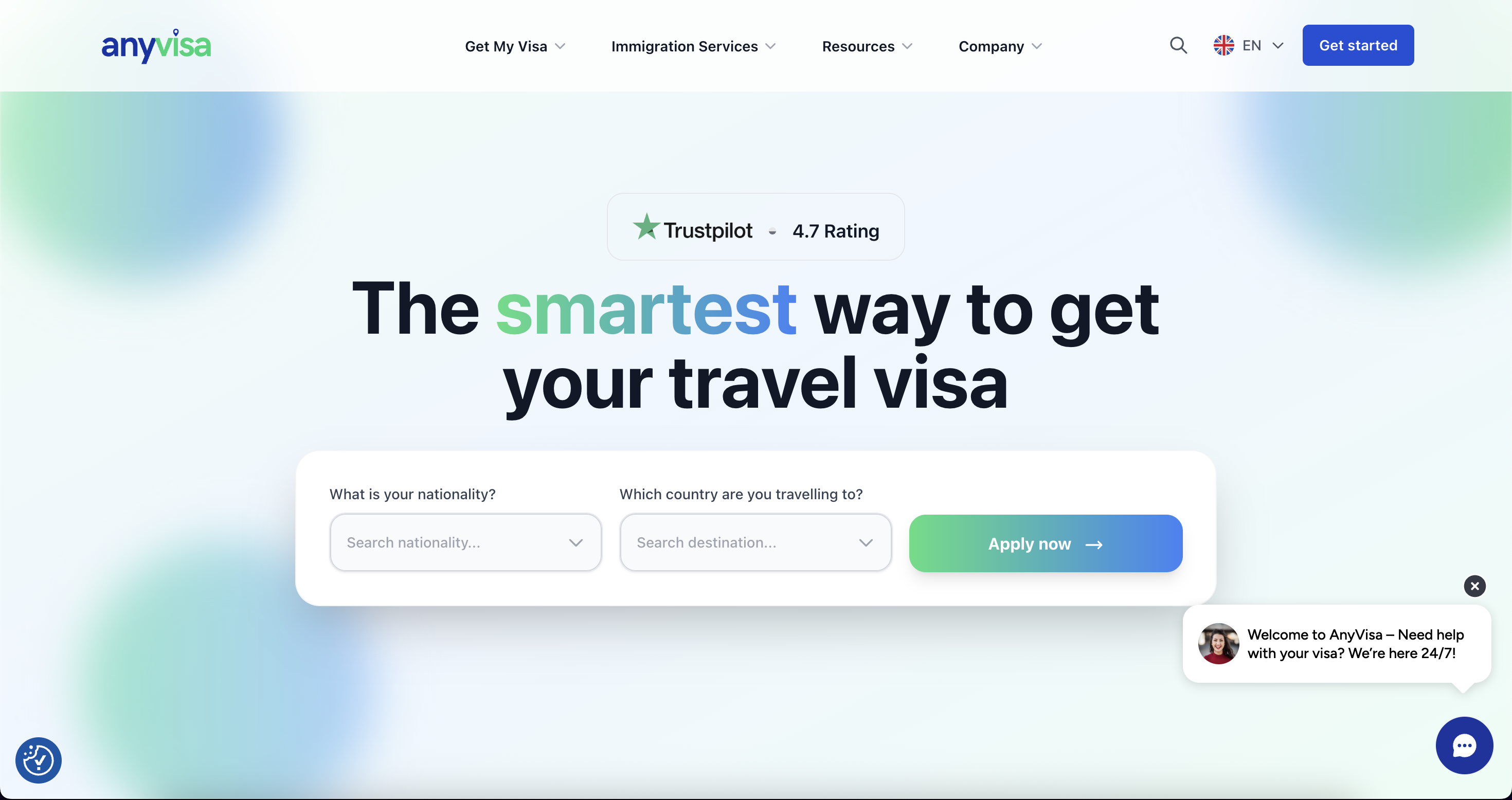
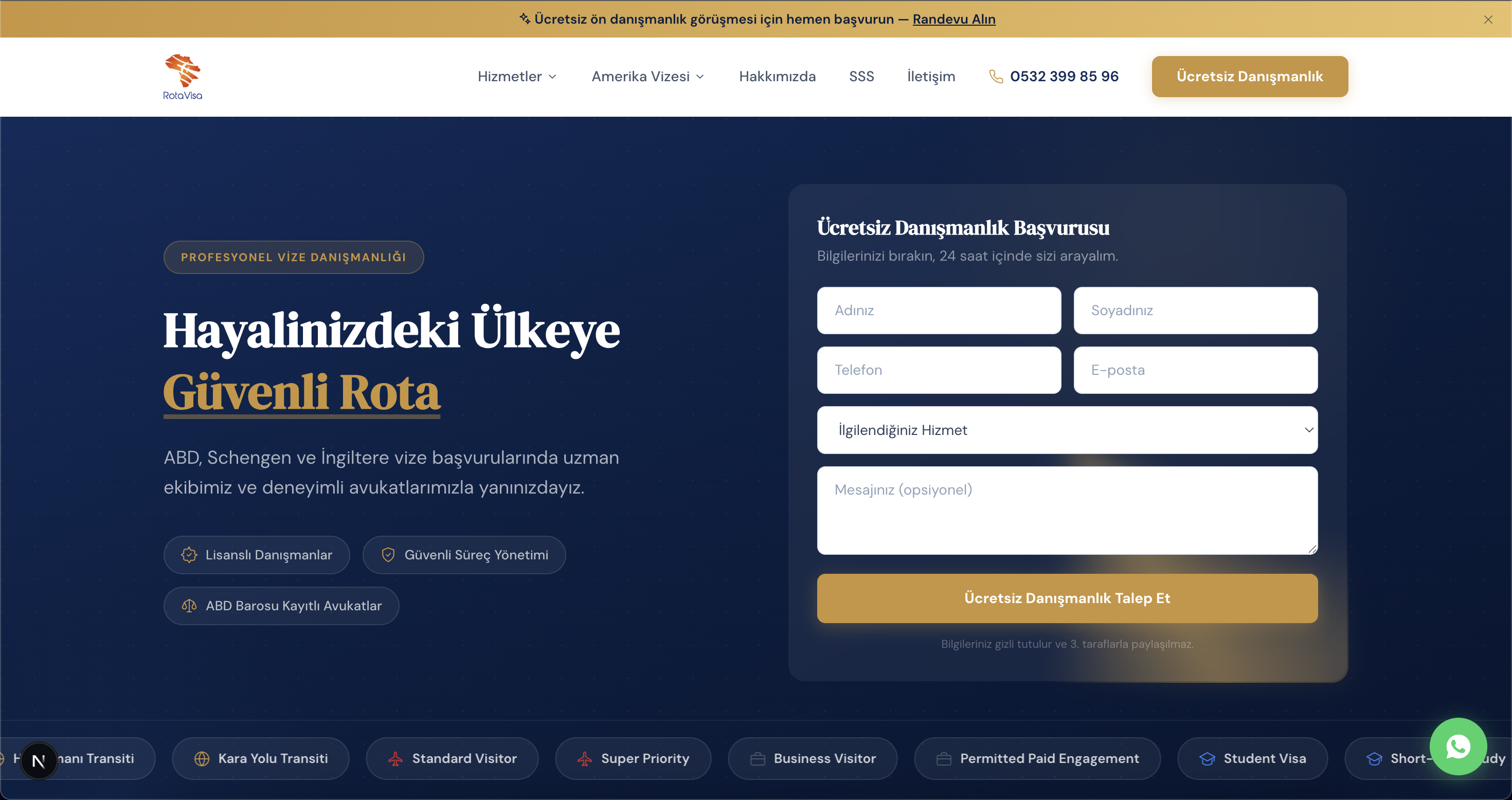
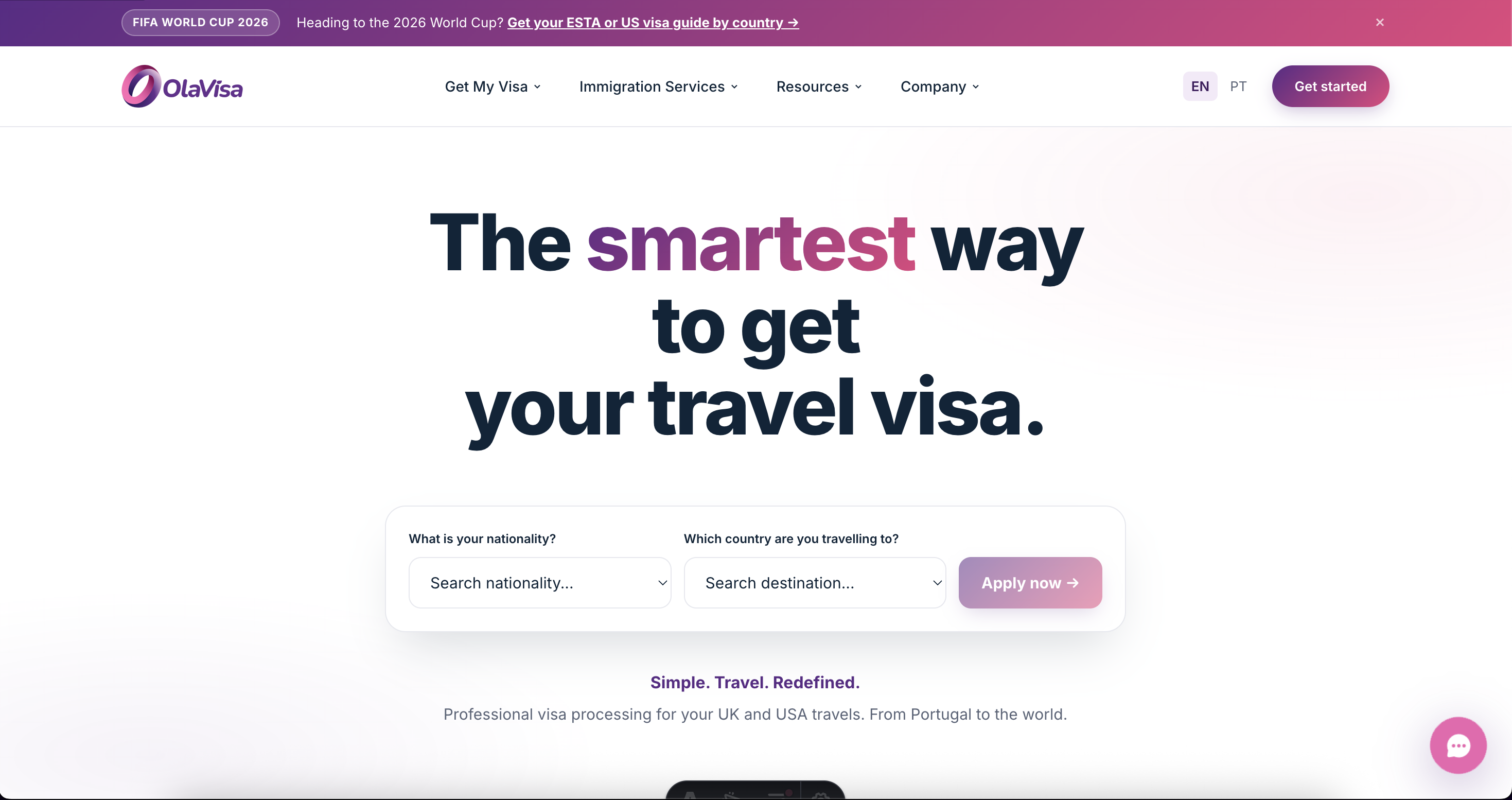
The patterns in this article are already deployed across these platforms. Different brands, different visa types — one engine underneath.
Practical guides that go deeper on running a modern visa business.