rotavisa.app
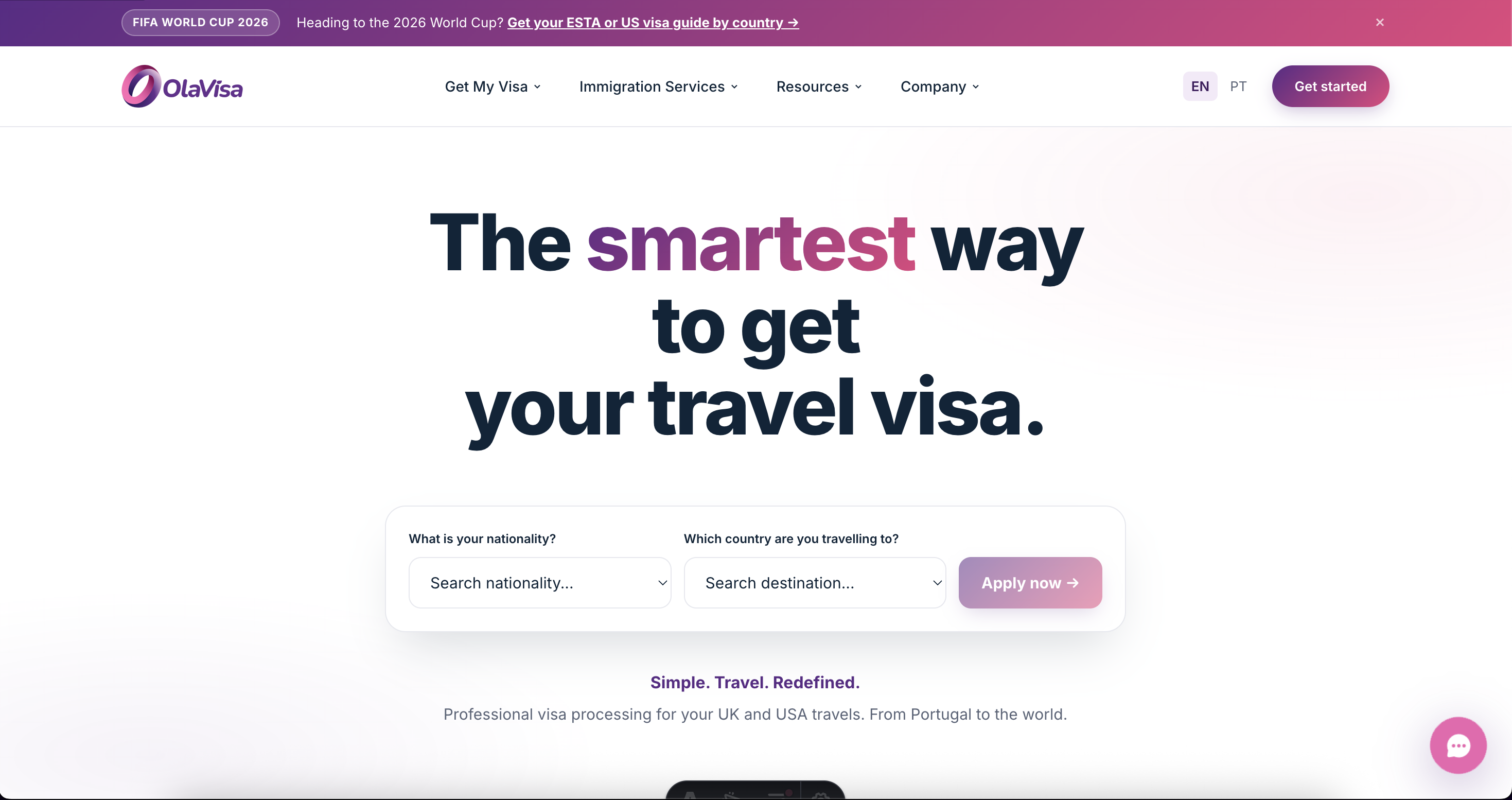
RotaVisa
Premium visa consultancy for business travelers
98%
visa approval rate
40+
countries served
70%
reduction in document errors
 Ozan Gözcü · Owner
Global mobility breaks most visa tools on day one, because the person paying is not the person applying. VisaCRM separates the employer, the assignee, and their dependants on the same case — with billing to the company, self-service for the employee, and reporting HR can actually use.

Our system assumes the applicant pays, but the employer pays and the employee applies.
The company is billed while the assignee holds the case and self-serves. Invoices are issued to the employer entity, and the assignee never sees a payment screen or a fee they were not meant to see.
One assignee move is four permits across two countries, and only one of them is a visa.
Each authorisation is a configurable case type with its own requirements and workflow, tracked on the same assignee with the dependencies visible. The blocking step is on the screen rather than in a project manager's memory.
HR asks what we have spent per business unit this quarter and we build the answer by hand.
Analytics cover conversion, margin, and revenue by country and case type, with BI export for HR's own reporting. The quarterly deck stops being a two-day job.
The assignee has no idea what is happening and escalates to their HR business partner instead of us.
Automated notifications across email, WhatsApp, and SMS fire on every status change, and the assignee checks their own portal at their own timezone's convenience. The escalation never gets started.
Spouses and children get tracked in a separate file and their permits arrive after the move date.
Dependants sit on the same case as the assignee with their own documents and status, so nobody schedules a family move around a permit that has not been applied for.
Almost every visa system in existence assumes one person: they fill in the form, they upload the documents, they pay at the end, they receive the outcome. Corporate mobility is not that shape.
The employer commissions the work, approves the spend, gets invoiced, and wants the assignee productive in the destination office by a date already committed to in a business case. The assignee does the actual applying — their passport, their police certificate, their marriage certificate — and has no interest in what any of it costs. The dependants apply alongside without being customers of anyone. And often a fourth party, the in-house mobility team, is coordinating without touching the documents at all.
When the tool assumes payer equals applicant, the workaround is manual and permanent: cases opened under the company name with the real applicant in a notes field, invoices assembled in a spreadsheet at month end, and documents mailed around because there is no clean way to give an employee access to a case billed to their employer. VisaCRM separates the roles properly — the company is invoiced through the e-commerce and billing layer with multi-currency support across GBP, USD, EUR, TRY, and AED, while the assignee holds the case and self-serves without ever seeing a fee line.
Ask a mobility coordinator how many visas an assignee needs and you will get a wince. A single Bangalore-to-Amsterdam transfer might be: an employer sponsorship step, an entry visa, a residence permit applied for after arrival, a municipal registration, a work authorisation for the accompanying spouse, and school documentation for two children. In two jurisdictions, on two clocks.
The steps are dependent. The residence permit cannot start until the entry visa is used. The spouse's work authorisation may depend on the assignee's permit being issued first. And unlike a tourist visa, the deadline is not a holiday — it is a start date with a business case, a signed lease, and a team waiting.
So the object of interest is the assignee, not the application. In VisaCRM each authorisation is its own configurable case type with its own requirements, documents, and workflow stage, tracked against the same person, prioritised by the move date rather than the queue. What is blocking the move is on a screen rather than in the head of whoever owns the account. Applicant management covers the case lifecycle, assignment, and handover, including how per-country authorisation types are configured with their own requirements and rules.
Book a discovery call and we'll walk through your workflow together.
The assignee's own permit is usually the easy part. They have a sponsoring employer, a clean employment history, and an HR team pushing. The delays come from the family.
A spouse needs a marriage certificate that has to be apostilled and translated. Children need birth certificates and sometimes consent from a non-accompanying parent. Everyone needs their own police certificates from every country they have lived in for over six months, which for a career expat is a genuinely hard document to produce. And the family cannot move until the last of these lands — the assignee will not go without them, and if you split the move you pay for two relocations.
VisaCRM handles the family as one case with per-applicant document tracking and status underneath, which means the case is visibly only as ready as its least ready member. Expiry is tracked on each document, so an apostille that ages out during a delay gets flagged rather than discovered at submission. Managing family visa applications covers the failure patterns in detail, and RotaVisa's 98% approval rate across 40+ countries comes from this same discipline of catching document problems before a consulate does.
Relocation providers pitch service quality and lose on reporting. The mobility lead has to tell finance what was spent, tell the business unit why the March start slipped to May, and justify next year's budget with something more solid than a feeling that it went well.
If your answer to "what did we spend on Germany last quarter, split by business unit" is two days in a spreadsheet, you are a supplier who is hard to renew. If it is a link, you are part of their process.
VisaCRM's reporting and analytics covers conversion funnels by case type, margin by agent, revenue by country, and approval rates, with BI export so HR can pull it into their own stack. Feeding assignee status back into an HRIS or ticketing system is an integrations question, and it is worth solving properly — a mobility team whose HR system already knows the permit status stops emailing you for updates.
This is the part relocation providers underrate. A consumer visa applicant picked their agency, compared prices, and has some investment in the choice. An assignee was assigned. They are moving their family across the world for their employer, they did not select the immigration provider, and they will judge you against every consumer app on their phone.
So the bar is unfair and it is also the actual bar. If the assignee has to email someone in another timezone to find out whether their permit was approved, that friction becomes a complaint to their HR business partner, and HR renews contracts. The provider that loses the account often has a perfectly good approval rate.
VisaCRM merges email, WhatsApp, SMS, and in-app chat into one timeline per case and fires 17+ automated notification types on status changes, so the assignee hears about a decision when it happens rather than when someone gets to their inbox. Between updates they open the portal, which does not have office hours. Visarunway cut support enquiries by about 60% with this pattern — for a mobility provider, that reduction is not just cost, it is the absence of the escalations that lose accounts.
Tell us what you need and we'll come back with a plan. Nothing to pay until it's delivered.
Get started →VisaCRM is a productized service. The team configures the platform to your case types and workflows, brands it, launches it on your domain, and stays on as operators. For a relocation provider that means the platform your corporate clients see is yours, not a vendor's.
Mobility work almost always needs the bespoke tier rather than the Starter Pack. The employer-pays billing structure, per-country authorisation types, dependant handling, HRIS integrations, and BI export are not $99/month problems. Bespoke is quoted per organisation and typically live in about six weeks; the Starter Pack, at $99/month plus a one-time setup fee and live within days, is better read as a way to test a single corridor before committing.
One honest boundary: VisaCRM manages immigration cases, documents, workflows, and billing. It is not a full relocation suite — it does not book shipments, manage temporary housing, or run tax equalisation. If you need those, keep the tools that do them and connect them. Full details on pricing.
Global mobility case management software tracks employee relocations across the immigration steps a move requires — work authorisation, entry visa, residence permit, registration, and dependant permits — while billing the employer rather than the applicant. It differs from consumer visa software because the payer, the applicant, and the coordinator are three different parties on the same case.
Yes, and any system used for corporate mobility has to support it. In VisaCRM the invoice is issued to the employer entity through the billing layer, in GBP, USD, EUR, TRY, or AED, while the assignee holds the case, uploads their own documents, and tracks status in a portal — without ever seeing a payment screen or a fee they were not meant to see.
A spouse and children are tracked as applicants on the same case as the assignee, each with their own documents, expiry dates, and status, while shared documents are stored once. This matters because the move date depends on the last permit issued, not the first. Tracking dependants in a separate file is the most common cause of missed relocation dates.
Mobility and HR teams typically want spend by entity, business unit, and destination country, live status per assignee, time-to-completion by case type, and what is currently blocked. VisaCRM provides conversion funnels by case type, margin by agent, revenue by country, and approval rates, with BI export so the client's own team can pull the data into their reporting stack.
No. VisaCRM manages immigration cases, documents, workflows, communication, and billing. It does not book household goods shipments, manage temporary accommodation, handle tax equalisation, or run destination services. Relocation providers typically keep their existing tools for those and use VisaCRM for the immigration and case management layer, connected through integrations.
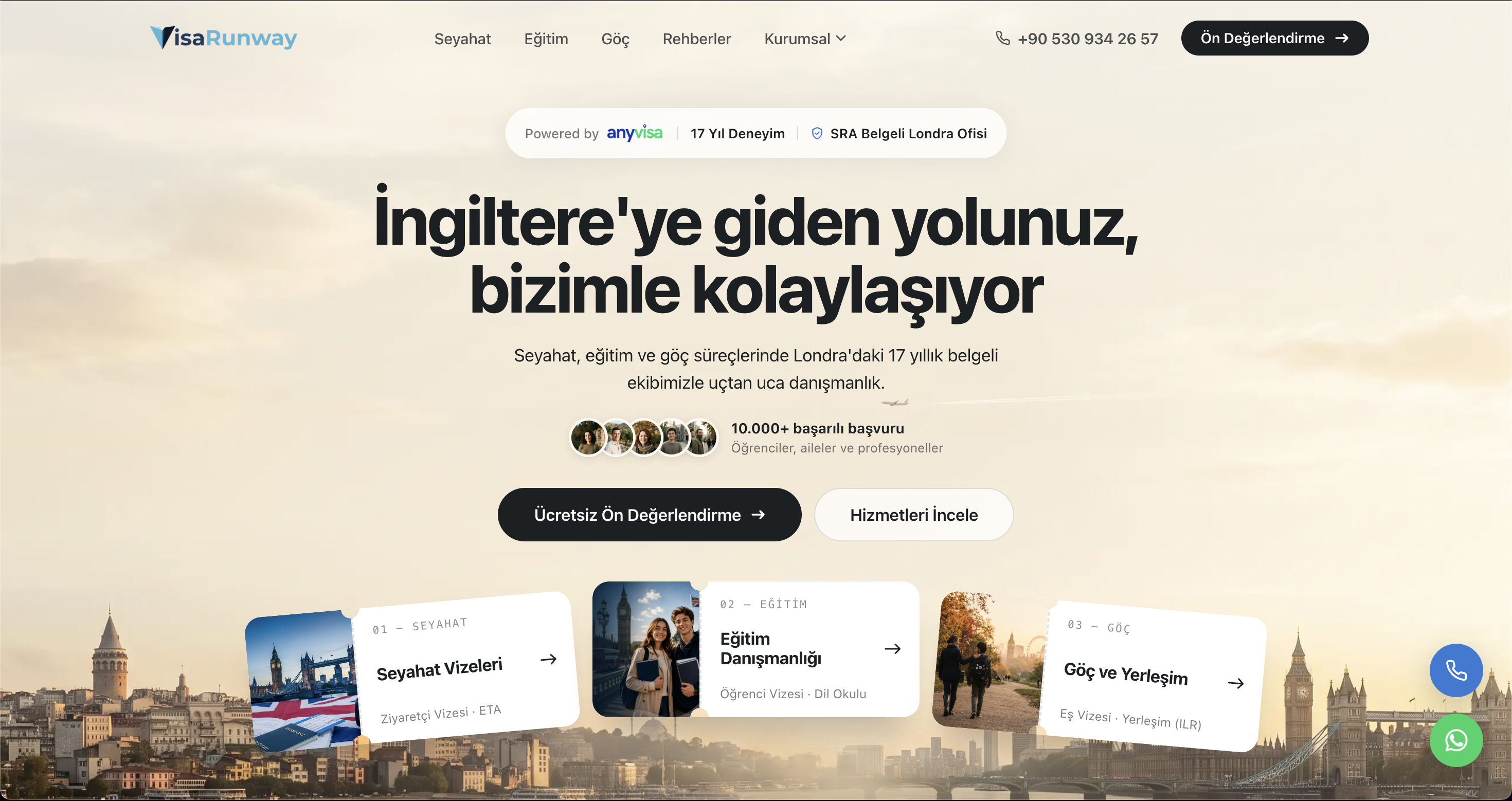
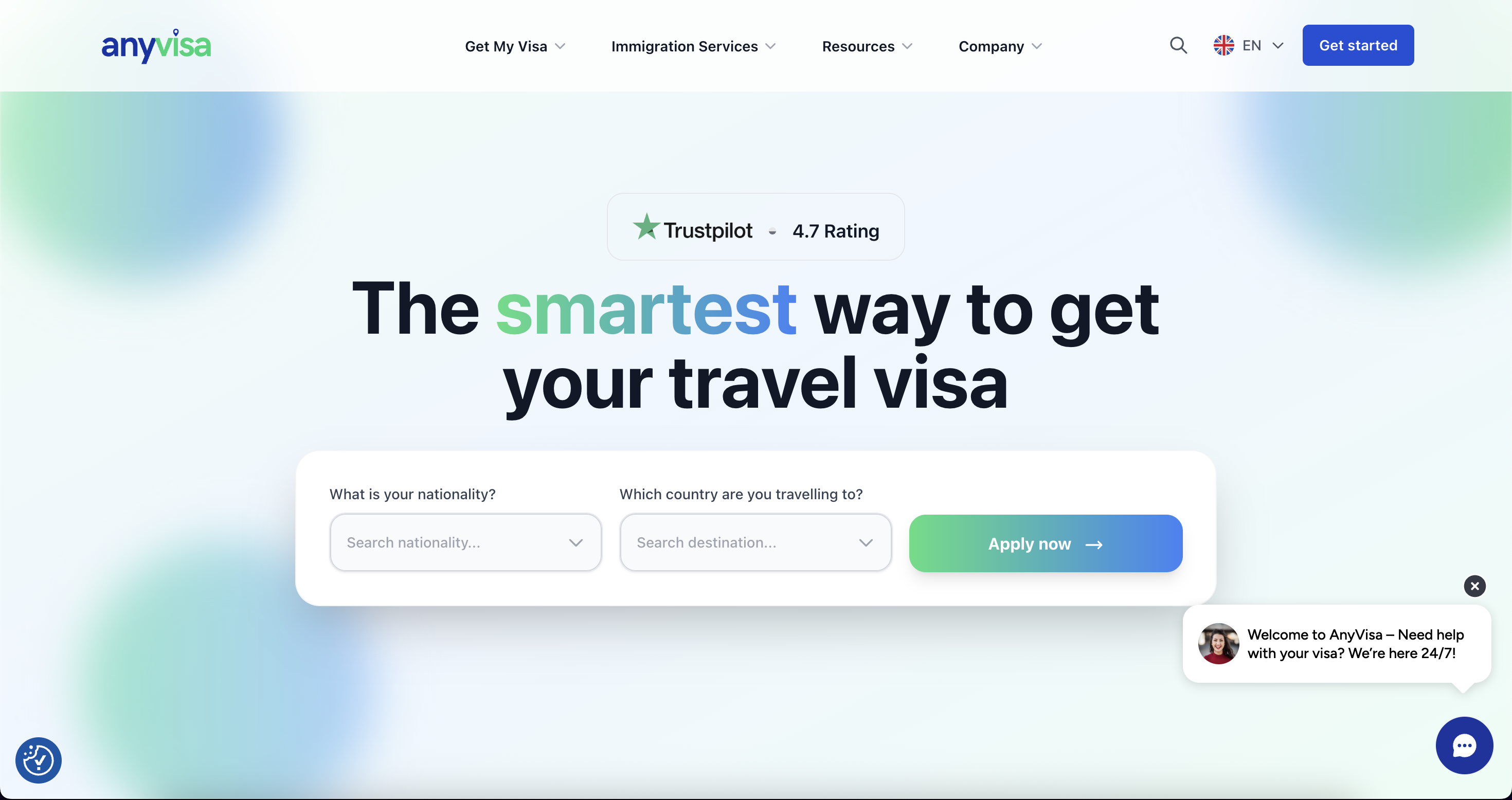
The patterns in this article are already deployed across these platforms. Different brands, different visa types — one engine underneath.
Practical guides that go deeper on running a modern visa business.
Book a discovery call and we'll walk you through the platform with your visa types, payment flow, and the things your current tools leak.
Book a discovery call →