anyvisa.app
Anyvisa
UK's leading online visa platform
300%
increase in application capacity
75%
reduction in support tickets
4.8/5
customer satisfaction score
 Tomas Hassan · CEO
Not all CRMs are created equal — especially for visa agencies. Here's how to evaluate your options and choose a system that actually fits your workflow.
The first decision you'll face is whether to use a generic CRM (like HubSpot, Salesforce, or Zoho) and adapt it for visa work, or choose a platform built specifically for the visa industry.
Generic CRMs are powerful tools, but they come with a fundamental limitation: they're designed for a generic sales pipeline, not a visa application workflow. You'll need to create custom fields for visa types, build your own document tracking system, integrate payment gateways separately, and configure automation rules for a process the CRM wasn't designed to handle.
Purpose-built visa CRMs start from the assumption that you're processing visa applications. The data model, workflow stages, form builder, payment system, and communication tools are all designed around the visa lifecycle. What takes weeks of customisation in a generic CRM works out of the box in a purpose-built one.
When evaluating any CRM for visa work, score each option against these criteria:
Application Management
Document Management
Payment Processing
Communication
Reporting

Book a quick demo and see how it works for your visa types.
Before signing up for any CRM, get clear answers to these questions:
How long does setup take? Some platforms require weeks of configuration; others can be live within days. Ask for a specific timeline based on your visa types and requirements.
Can I see a demo with my visa types? A demo with generic data doesn't tell you much. Ask to see the system configured for the specific visa types you process most.
What happens to my data? Understand data ownership, export capabilities, and what happens if you decide to leave the platform.
How is pricing structured? Monthly subscription? Per-application fee? One-time setup cost? Understand the total cost of ownership, not just the headline price.
What support is included? During setup and ongoing. Is there dedicated support, or are you filing tickets into a queue?
Tell us what you need and we'll come back with a plan. Nothing to pay until it's delivered.
Get started →Three agencies, three different starting points, one common thread — choosing the right technology made a measurable difference:
Anyvisa needed a platform that could handle 50+ visa types with multi-gateway payments and a B2B partner network. They tripled their application capacity without adding staff.
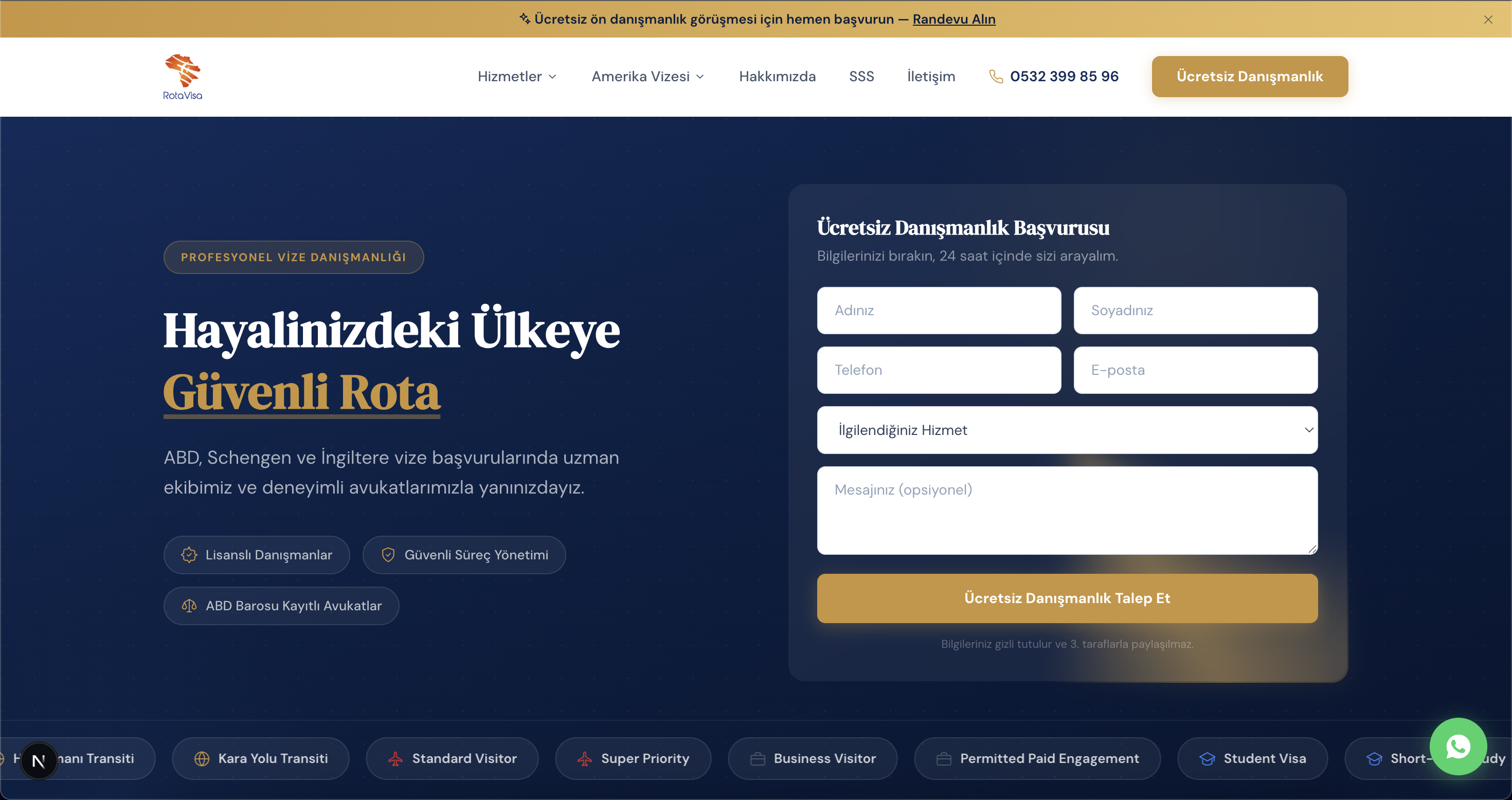
RotaVisa needed specialised document management for complex business visa applications. They maintain a 98% approval rate across 40+ countries, driven by intelligent document tracking and validation.
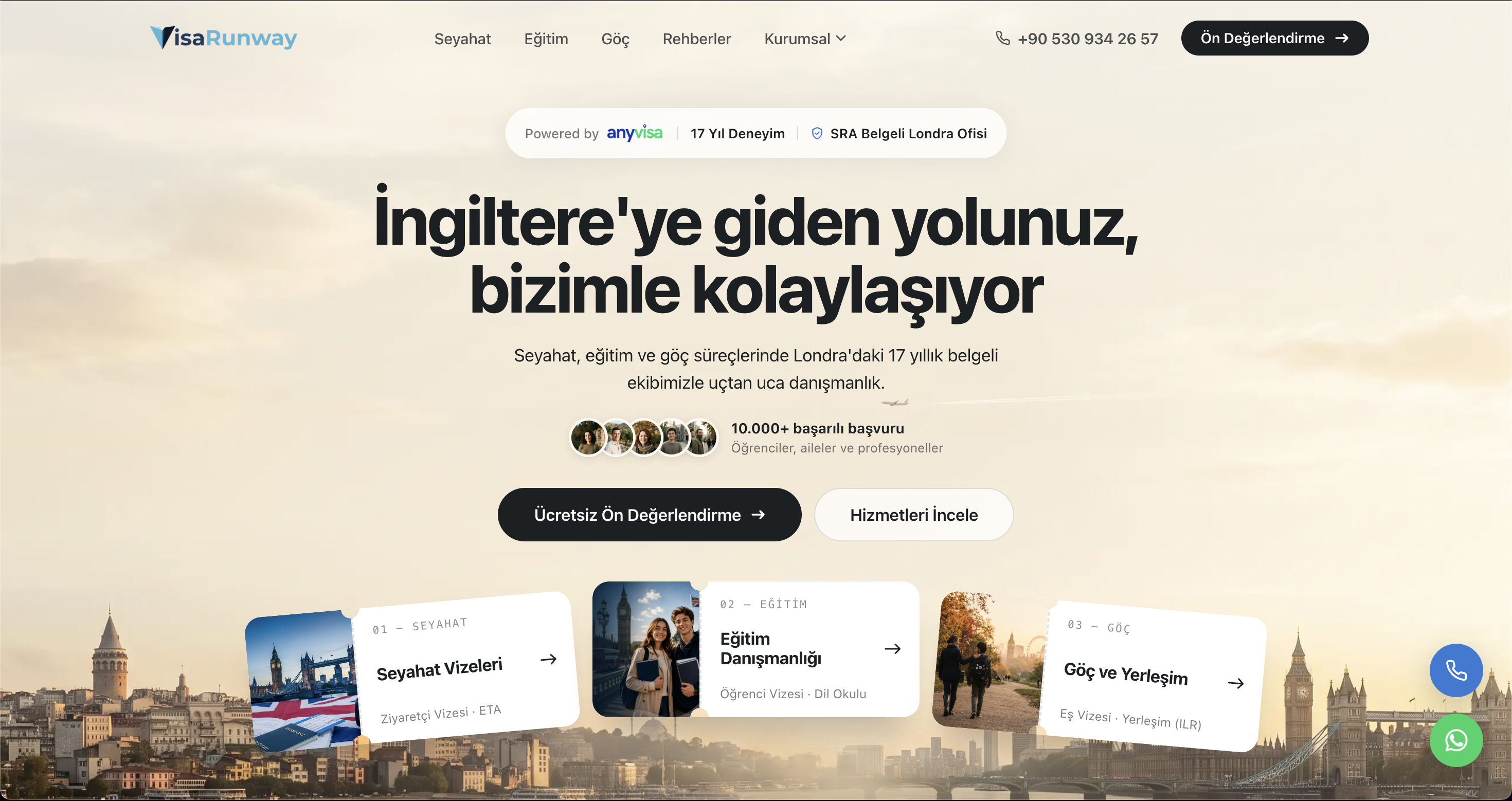
Visarunway needed to launch fast and scale quickly as a brand-new agency. They went from zero to 2,000 monthly applications in under a year, using analytics to drive every growth decision.
The right CRM doesn't just manage your current workload — it creates the capacity for your agency to grow.
Ready to evaluate VisaCRM for your agency? Book a discovery call and we'll walk you through the platform with your specific visa types and workflow.
A purpose-built visa CRM is better for visa work. Generic CRMs like HubSpot, Salesforce, or Zoho are built for a generic sales pipeline, so you'd spend weeks building custom fields, document tracking, and payment integrations. A purpose-built CRM has the visa data model, workflow stages, forms, payments, and communication ready out of the box.
Look for multi-applicant application management with dynamic per-visa-type forms, document validation and per-document tracking, multi-gateway and multi-currency payments supporting the government-fee-plus-service-fee model, automated email and WhatsApp notifications, a client portal, and reporting on approval rates, processing times, and revenue by visa type.
Ask how long setup takes, whether you can see a demo configured with your actual visa types, what happens to your data if you leave, how pricing is structured (subscription, per-application, setup cost), and what support is included during and after setup. Vague answers to these are a warning sign.
A purpose-built visa CRM can be live within days, versus weeks of configuration for a generic CRM adapted to visa work. Setup typically involves configuring your visa types, pricing, document requirements, and payment gateways, plus a few hours of team training. Ask any vendor for a specific timeline based on your visa types.
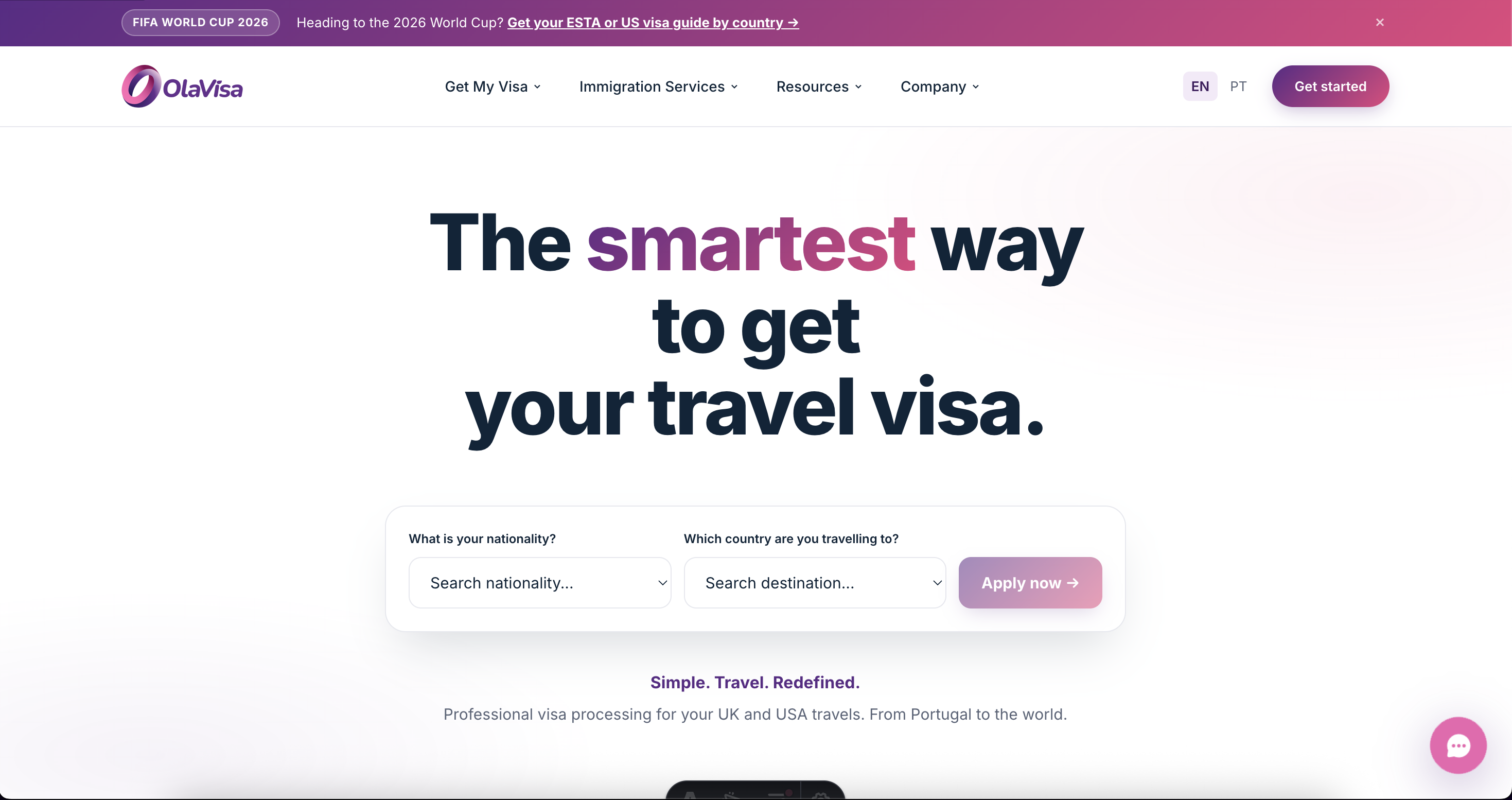
The patterns in this article are already deployed across these platforms. Different brands, different visa types — one engine underneath.
Practical guides that go deeper on running a modern visa business.