
rotavisa.app
RotaVisa
Premium visa consultancy for business travelers
98%
visa approval rate
40+
countries served
70%
reduction in document errors
 Ozan Gözcü · Owner
The UK Skilled Worker route is document-heavy and deadline-driven, and the salary rules keep changing. VisaCRM structures these cases with sponsor-linked checklists, Certificate of Sponsorship deadline tracking, dual status monitoring and automated reminders through to decision.
UK work visa processing centres on the Skilled Worker route: a licensed employer assigns a Certificate of Sponsorship, and the applicant must show the job meets the required skill level, a salary threshold, and English at the required standard, then apply online with biometrics and the health surcharge. VisaCRM manages these multi-document, deadline-driven cases with sponsor-linked checklists, dual status tracking, and automated reminders through to decision.
The employer must hold a valid sponsor licence, and VisaCRM tracks sponsor-side documents and links each case to its sponsor.
Once the CoS is assigned, its reference and validity window are recorded so the application is filed before it lapses.
Skill level, salary against the current thresholds, and English evidence are checked on a structured checklist before anything is submitted.
The applicant completes the online form, pays the fee and health surcharge, and uploads supporting documents collected through their portal.
Identity is verified at a visa centre or via the ID Check app, and the case status reflects each step for both applicant and employer.
A decision typically follows within a few weeks, and VisaCRM records the granted status and its expiry for future renewals.
Salary rules are layered and change — a general threshold, the occupation going rate, and an hourly floor — and using last year's numbers gets applications refused.
A structured eligibility checklist prompts operators to confirm the current figures for each case before submitting.
A Certificate of Sponsorship has a validity window, and missing it wastes the CoS and delays the hire.
VisaCRM records the CoS reference and deadline and reminds the team well before it lapses.
Employer and applicant documents arrive from different parties and stall each other.
Sponsor-linked cases collect both sides' documents in one place with deadline tracking.
English-language evidence — a SELT or an exemption — is easy to overlook until late in the case.
The checklist requires the English requirement to be satisfied before the case can move to submission.
Fees, the Immigration Health Surcharge and multi-year renewals are hard to track by hand.
Payments are collected online and the granted visa's expiry is stored so renewals are prompted in advance.
The UK Skilled Worker visa is the main sponsored work route, and it is points-based. Everything starts with the employer: they must hold a sponsor licence and then assign the applicant a Certificate of Sponsorship (CoS) — a digital reference, not a paper letter, generated through the Home Office sponsorship system.
With a valid CoS, the applicant must satisfy several requirements together: the job must be at the required skill level, the salary must clear the applicable threshold, and the applicant must meet the English-language requirement (typically at B2 level, evidenced by an approved Secure English Language Test or an exemption). They then apply online, pay the visa fee and the Immigration Health Surcharge, enrol biometrics at a visa centre or via the identity app, and submit supporting evidence. A decision outside the UK is often returned in around three weeks.
VisaCRM structures this as a sponsor-linked case: the document checklist covers both the employer and applicant sides, the CoS reference and its deadline are recorded, and the applicant portal collects supporting evidence in one place. If the employer still needs a licence, that work links to the related sponsor licence process.
The single riskiest area on a Skilled Worker case is salary, because the rules are layered and they change. A salary usually has to clear more than one test at once — a general minimum, the going rate for the specific occupation, and an hourly floor — with the effective threshold being the highest of them. Some groups (for example new entrants and certain occupations) have lower thresholds, and the figures are periodically revised.
Because the numbers move, working from memory or last year's guidance is how applications get refused. VisaCRM's eligibility checklist prompts the operator to confirm the current threshold for each role at the point of assessment, and to record how the salary meets it, so the reasoning is documented before submission. Keeping teams current on rule changes is exactly the challenge our note on 2026 immigration policy changes addresses.
Tell us what you need and we'll come back with a plan. Nothing to pay until it's delivered.
Get started →Sponsored work cases have two clients — the employer and the applicant — and both hold documents the case can't proceed without. A CoS sits on a clock, the health surcharge has to be paid, biometrics have to be enrolled, and English evidence has to be produced. In a manual process, any one of these can quietly stall the whole case.
VisaCRM keeps everything on a sponsor-linked timeline: deadline tracking on the CoS, dual status monitoring so the operator can see where each case really is, and automated reminders to the parties who owe the next document. This structured approach is how RotaVisa maintains a 98% approval rate across 40+ countries at scale.
UK work visas are typically processed by immigration advisers and law firms, not high-street travel agencies, and their needs are different: audit-ready documents, defensible eligibility reasoning, and visibility for corporate clients sponsoring multiple hires.
VisaCRM gives immigration firms a branded platform with an admin panel for case oversight and reporting on pipeline and outcomes, so a firm can show a corporate client the status of every sponsored hire in one place — while every case follows the same disciplined Skilled Worker workflow.
A Certificate of Sponsorship (CoS) is a digital reference — not a paper document — that a licensed UK employer assigns to a worker through the Home Office sponsorship system. It confirms the job, salary and role details and is required before the applicant can apply for a Skilled Worker visa. Each CoS has a validity window, so the application must be filed before it lapses.
A Skilled Worker salary typically has to clear several tests at once — a general minimum, the going rate for the specific occupation, and an hourly floor — with the highest applying. Some groups, such as new entrants and certain occupations, have lower thresholds. The figures are revised periodically, so always confirm the current thresholds for the specific role rather than relying on previous numbers.
Applicants generally must meet an English-language requirement, commonly at B2 level. This is typically satisfied by passing an approved Secure English Language Test (SELT), holding an eligible degree taught in English, or being a national of an exempt country. Because acceptable evidence can change, verify the current requirement, and confirm the applicant qualifies before submitting the case.
For applications made outside the UK, a decision is often returned in around three weeks once biometrics are enrolled, though complex cases can take longer and priority services may be available. Much of the real timeline is the preparation — assembling employer and applicant documents and confirming eligibility — which is where a structured checklist saves the most time.
VisaCRM structures each case as a sponsor-linked file: a checklist covering employer and applicant documents, Certificate of Sponsorship deadline tracking, an eligibility check that prompts current salary and English requirements, and automated reminders to whichever party owes the next document. Firms get an admin panel and reporting to give corporate clients visibility across every sponsored hire.
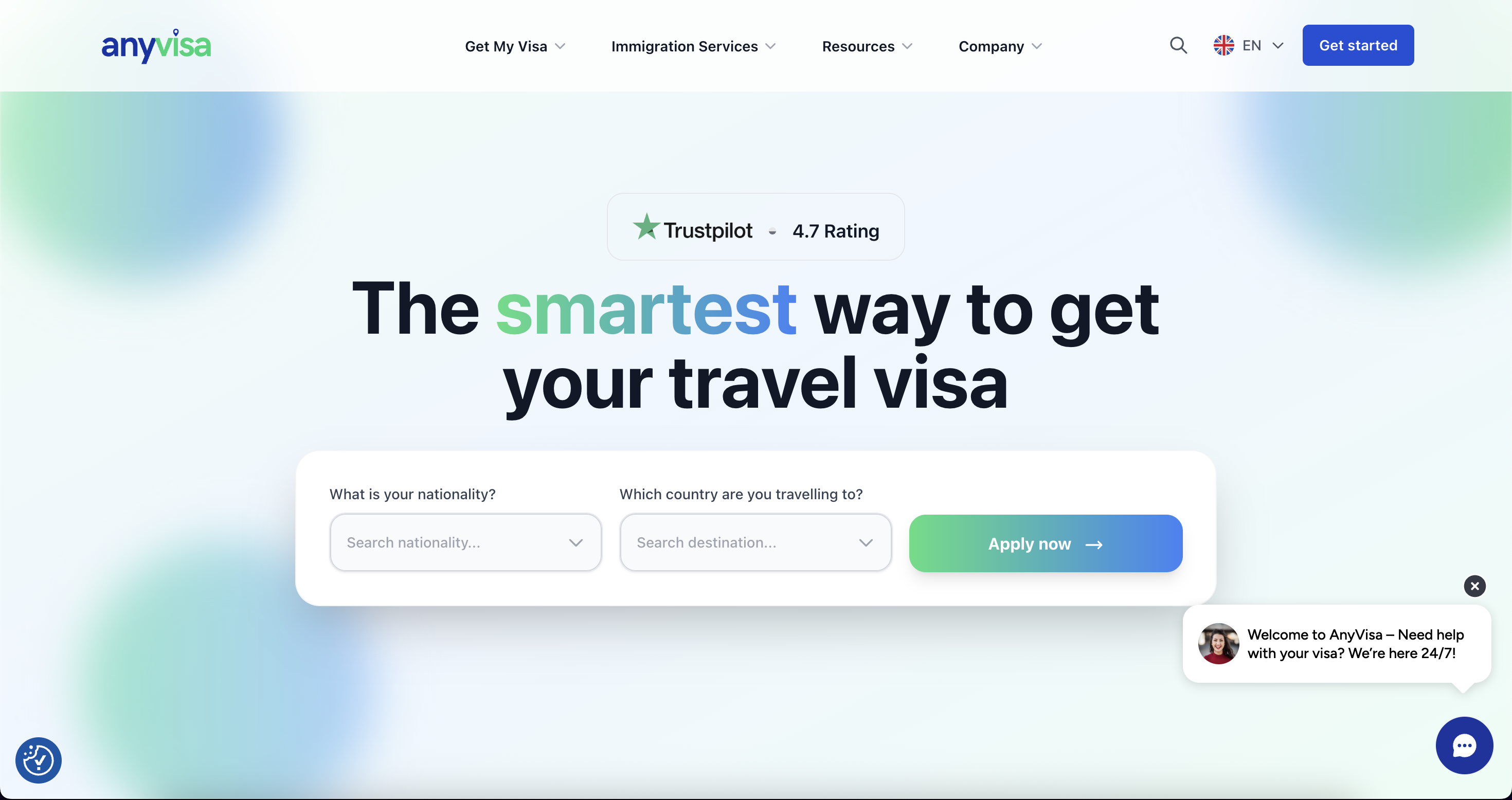
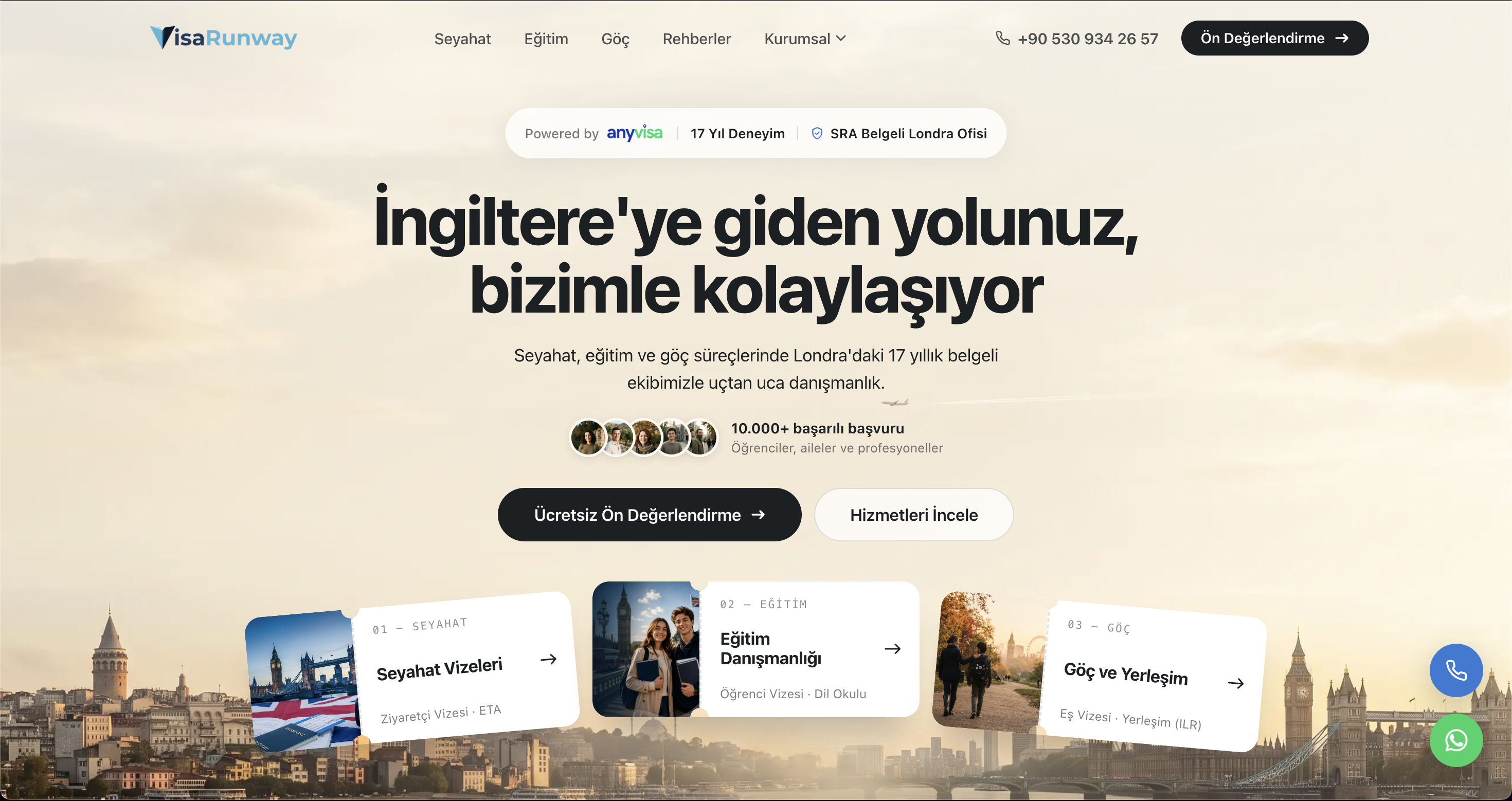
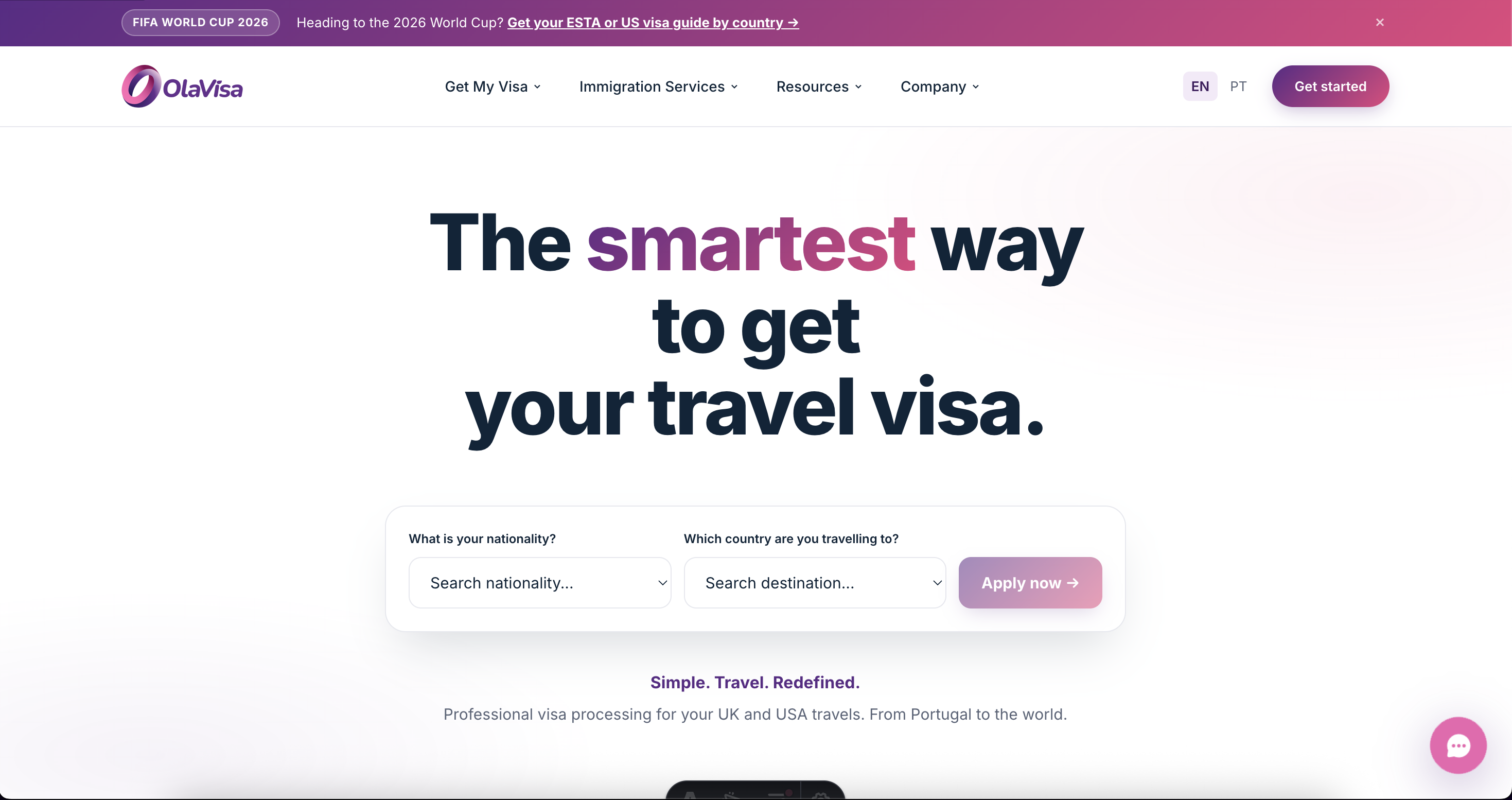
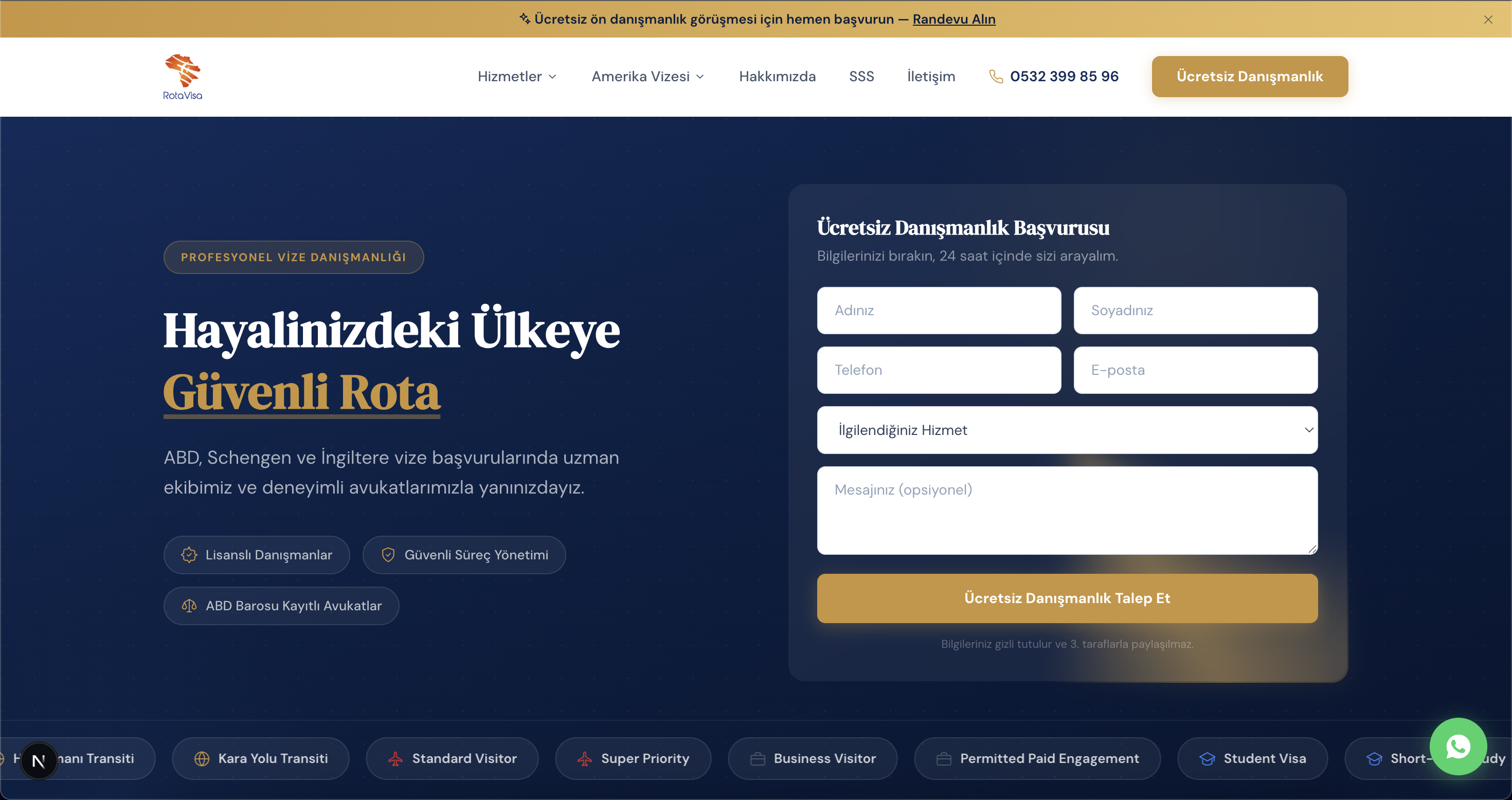
The patterns in this article are already deployed across these platforms. Different brands, different visa types — one engine underneath.
Practical guides that go deeper on running a modern visa business.
Book a discovery call and we'll walk you through the platform with your visa types, payment flow, and the things your current tools leak.
Book a discovery call →